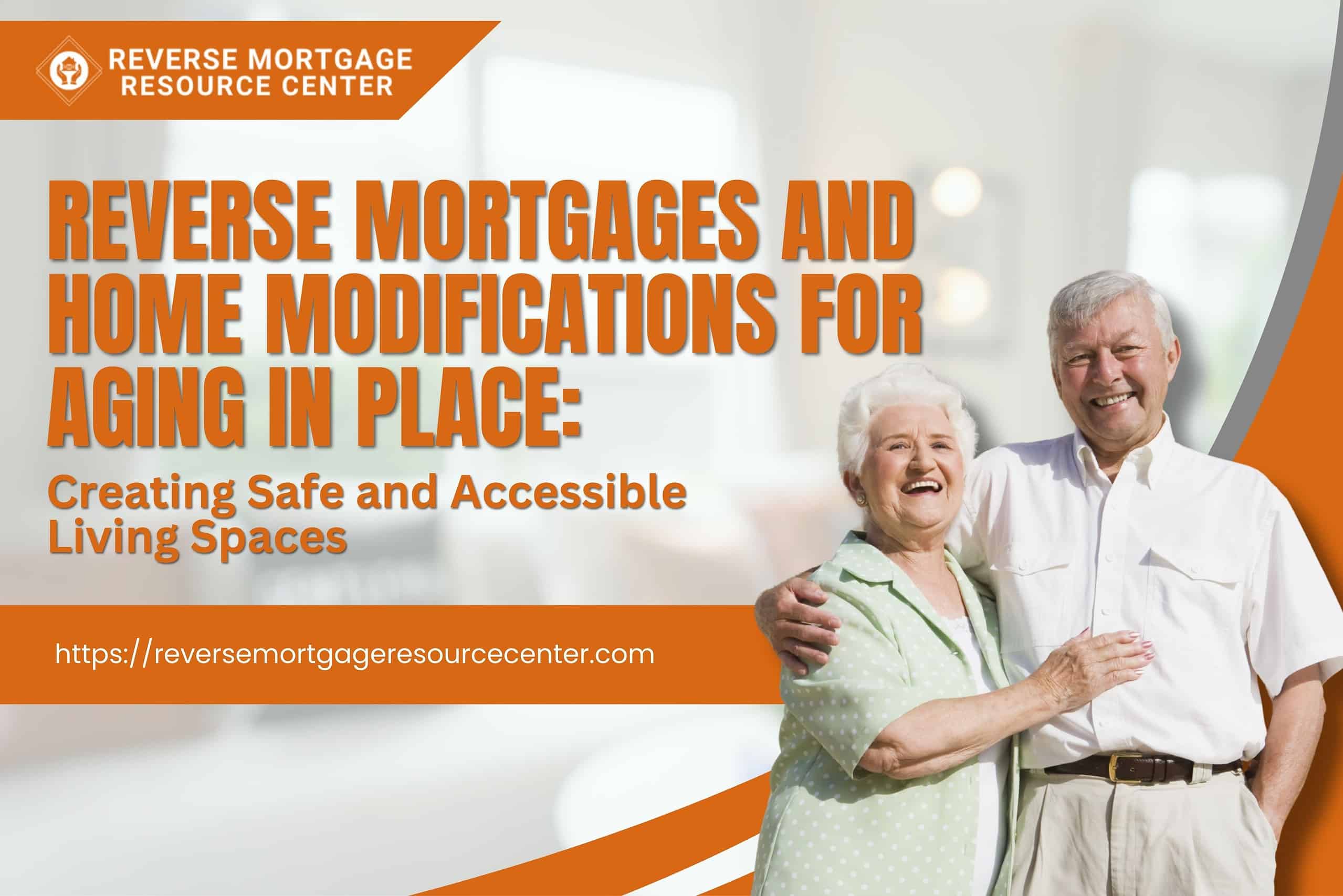
Reverse Mortgages and Home Modifications for Aging in Place: Creating Safe and Accessible Living Spaces
As we age, the desire to maintain independence and quality of life becomes increasingly paramount. For many seniors, the prospect of aging in place—remaining in their own homes as they grow older—is not just a preference but a fundamental aspect of their well-being. However, aging in place often requires modifications to the home to ensure safety, accessibility, and comfort. Here, we delve into the synergy between reverse mortgages and home modifications, offering guidance on how seniors can leverage their home equity to finance essential renovations and create safe, accessible living spaces conducive to aging in place.
Understanding Reverse Mortgages: Tapping into Home Equity
Reverse mortgages have emerged as a valuable financial tool for seniors seeking to obtain a reliable source of funds to assist with their retirement income or cover significant expenses. Unlike traditional mortgages, where borrowers make monthly payments to a lender, reverse mortgages allow homeowners aged 62 and older to convert a portion of their home equity into tax-free easily accessible funds without the burden of monthly repayments. Instead, the loan is repaid when the borrower sells the home, moves out, or passes away.
One of the key advantages of reverse mortgages is their flexibility in how the funds can be utilized. While some seniors may choose to receive regular payments to obtain funds to assist with their income, others may opt for a line of credit or a lump sum payment to address specific financial needs, such as medical expenses, debt consolidation, or home improvements.
Promoting Aging in Place: The Importance of Home Modifications
Aging in place requires more than just the desire to remain in one’s home—it necessitates a living environment that is safe, accessible, and conducive to independent living. Home modifications play a pivotal role in achieving these objectives, allowing seniors to navigate their homes with ease and confidence while minimizing the risk of accidents and injuries.
Common home modifications for aging in place include:
- Accessibility Ramps and Grab Bars: Installing ramps at entrances and grab bars in bathrooms can significantly enhance mobility and prevent falls, especially for seniors with limited strength or balance.
- Widened Doorways and Hallways: Narrow doorways and hallways can pose obstacles for individuals using mobility aids such as wheelchairs or walkers. Widening these spaces can facilitate movement throughout the home.
- Non-Slip Flooring: Replacing slippery surfaces with non-slip flooring materials reduces the risk of slips and falls, particularly in high-traffic areas like kitchens and bathrooms.
- Adjustable Countertops and Cabinets: Lowering countertops and installing adjustable cabinets ensures that essential items remain within reach, accommodating individuals with varying heights or mobility levels.
- Lever-Style Door Handles and Faucets: Lever-style door handles and faucets are easier to operate than traditional knobs, making them ideal for seniors with arthritis or limited dexterity.
By implementing these modifications, seniors can create a living environment that promotes independence, safety, and comfort, enabling them to age in place with dignity and peace of mind.
Leveraging Reverse Mortgages for Home Modifications: A Win-Win Solution
For many seniors, financing home modifications can pose a significant financial challenge, especially if they are on a fixed income or have limited savings. However, reverse mortgages offer a viable solution by unlocking the equity tied up in their homes and providing access to funds for essential renovations.
Here’s how seniors can use reverse mortgage funds to finance home modifications:
- Assessing Home Equity: The first step is to determine the amount of equity available in the home. This can be done by obtaining a professional appraisal or consulting with a reverse mortgage lender.
- Estimating Renovation Costs: Once the equity is established, seniors should assess the cost of the desired home modifications. This may involve obtaining quotes from contractors or consulting with aging-in-place specialists to develop a comprehensive plan.
- Consulting with a Reverse Mortgage Counselor: Before proceeding with a reverse mortgage, seniors are required to undergo counseling with a HUD-approved reverse mortgage counselor. During this session, counselors provide unbiased information about reverse mortgages, including their benefits, risks, and alternatives.
- Selecting the Right Loan Option: Reverse mortgages offer several disbursement options, including a lump sum payment, a line of credit, or monthly payments. Seniors should choose the option that best suits their financial needs and renovation timeline.
- Working with Reputable Contractors: When undertaking home modifications, it’s essential to hire licensed and experienced contractors who specialize in aging-in-place renovations. This ensures that the modifications are carried out safely and according to industry standards.
- Monitoring Progress and Quality: Throughout the renovation process, seniors should stay actively involved and monitor the progress and quality of the work. Open communication with contractors is key to addressing any concerns or modifications promptly.
REVERSE MORTGAGE RESOURCE CENTER ~LIVE LIFE ON YOUR TERMS~
Our Lending Team has been serving our clients since 2004. We are passionate about serving our clients with integrity to help them achieve their financial goals.