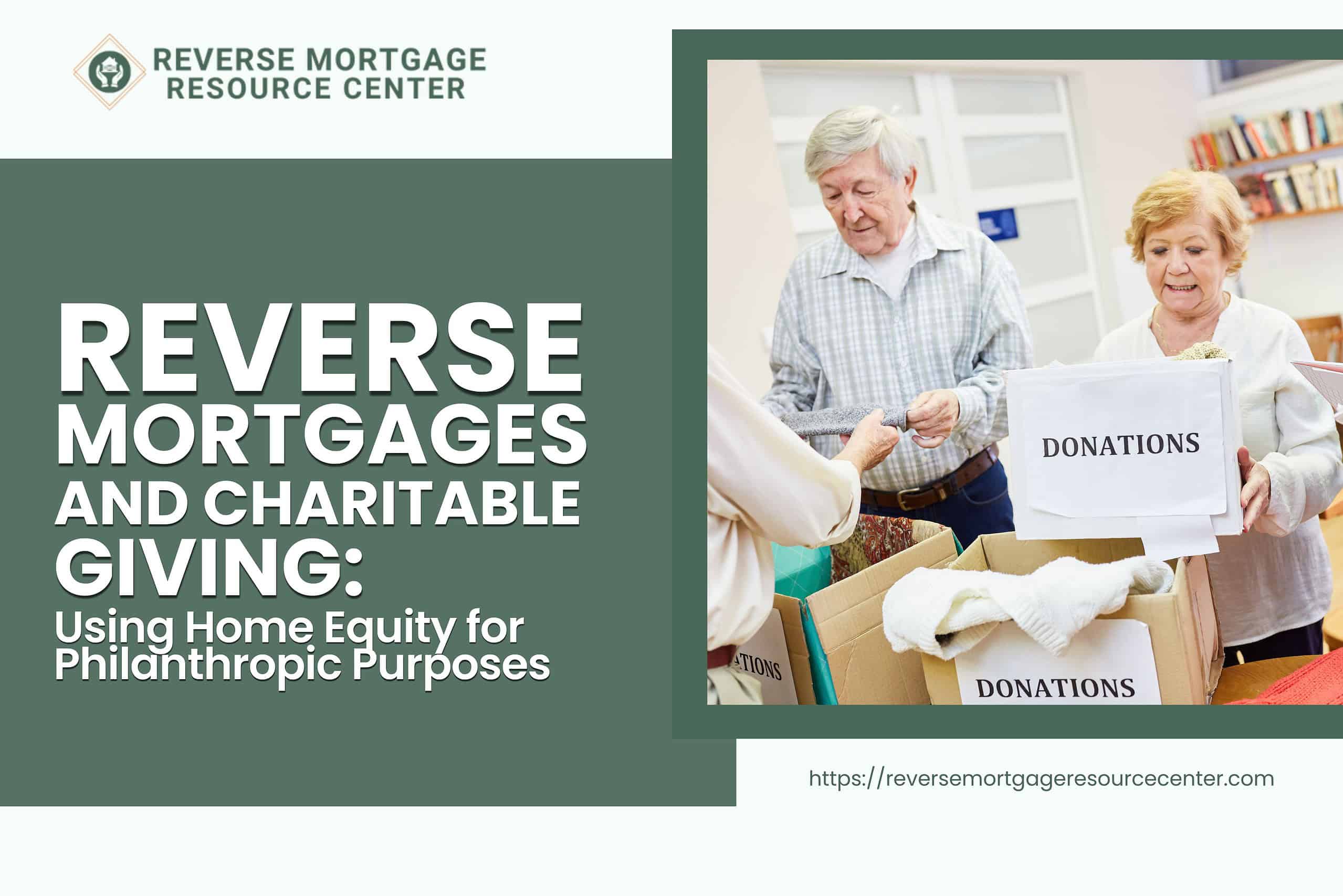
Reverse Mortgages and Charitable Giving
In the realm of retirement planning, seniors often face the dual challenge of managing their finances while also seeking avenues for meaningful contributions to society. Reverse mortgages offer a unique opportunity for older adults to unlock the equity in their homes, providing financial flexibility that can be harnessed for philanthropic endeavors. In this article, we delve into the intersection of reverse mortgages and charitable giving, exploring how seniors can utilize this financial tool to support causes they care about and leave a lasting impact on their communities.
Understanding Reverse Mortgages
Before delving into the potential for charitable giving, it’s essential to grasp the fundamentals of reverse mortgages. Unlike traditional mortgages where homeowners make monthly payments to a lender, reverse mortgages allow seniors aged 62 and older to convert a portion of their home equity into readily accessible funds without selling their home or incurring monthly loan payments. Instead, the loan is repaid when the homeowner no longer occupies the property, typically through the sale of the home.
Reverse mortgages come in various forms, including Home Equity Conversion Mortgages (HECMs), which are insured by the Federal Housing Administration (FHA), providing certain consumer protections. The amount of funds available through a reverse mortgage is determined by factors such as the homeowner’s age, the appraised value of the home, and current interest rates.
The Role of Reverse Mortgages in Retirement Planning
For many seniors, their home represents a significant portion of their net worth. Reverse mortgages offer a strategic tool to tap into this wealth, supplementing retirement income and alleviating financial burdens. By accessing home equity through a reverse mortgage, seniors can fund essential expenses such as healthcare costs, home renovations, or debt consolidation.
Moreover, reverse mortgages can serve as a safeguard against market volatility, providing ready access to funds regardless of fluctuations in investment portfolios or economic conditions. This financial stability empowers seniors to maintain their quality of life and age in place with dignity and security.
Unlocking Philanthropic Potential
Beyond meeting immediate financial needs, reverse mortgages present a unique opportunity for seniors to make a meaningful impact through charitable giving. By leveraging home equity, older adults can support causes they are passionate about, leaving a lasting legacy that extends far beyond their own lifetimes.
Strategies for Charitable Giving with Reverse Mortgages
- Establishing Charitable Remainder Trusts (CRTs): Seniors can transfer ownership of their home to a CRT while retaining the right to live in the property for life. Upon the homeowner’s passing or when they vacate the home, the property is sold, and the proceeds are distributed to designated charitable beneficiaries. This strategy allows seniors to enjoy tax benefits during their lifetime while supporting charitable causes in the future.
- Donor-Advised Funds (DAFs): By liquidating a portion of home equity through a reverse mortgage, seniors can contribute the proceeds to a DAF, which functions as a charitable investment account. Donors retain advisory privileges over how funds are distributed to charitable organizations, offering flexibility and control over their philanthropic endeavors.
- Naming Charities as Beneficiaries: Seniors can designate charitable organizations as beneficiaries of their reverse mortgage loan proceeds or the sale of their home upon their passing. This direct designation ensures that a predetermined portion of their estate supports causes aligned with their values, bypassing probate and estate taxes.
- Endowing Charitable Gifts: Through a reverse mortgage, seniors can access a lump sum or receive regular disbursements, which can be used to establish an endowment fund benefiting a charitable organization. This perpetual source of funds provides ongoing support for the chosen cause, leaving a lasting impact for generations to come.
Benefits of Charitable Giving through Reverse Mortgages
- Tax Advantages: Donations to qualified charitable organizations are often tax-deductible, reducing the donor’s taxable income. Additionally, assets contributed to charitable remainder trusts or donor-advised funds are removed from the donor’s estate, potentially mitigating estate tax liabilities.
- Legacy Building: For many seniors, leaving a legacy of philanthropy is deeply meaningful. By supporting charitable causes through reverse mortgages, older adults can ensure that their values and priorities endure beyond their lifetime, leaving a positive imprint on society.
- Community Impact: Charitable giving fosters social cohesion and strengthens communities by addressing pressing needs and advancing collective well-being. Seniors who utilize reverse mortgages for philanthropic purposes play an integral role in creating positive change and improving the lives of others.
Considerations and Caveats
While reverse mortgages and their benefits mentioned above offer a valuable tool for charitable giving, it’s essential for seniors to carefully evaluate their options and consult with financial advisors or estate planning professionals to ensure the above information remains accurate as we are not licensed financial planners, tax professionals, and so forth. Factors such as loan costs, interest rates, and eligibility requirements should be thoroughly assessed to ensure that charitable contributions align with overall financial goals and priorities.
Additionally, seniors should conduct due diligence when selecting charitable beneficiaries, ensuring that organizations are reputable, financially sound, and aligned with their values and mission.
REVERSE MORTGAGE RESOURCE CENTER ~LIVE LIFE ON YOUR TERMS~
Our Lending Team has been serving our clients since 2004. We are passionate about serving our clients with integrity to help them achieve their financial goals.