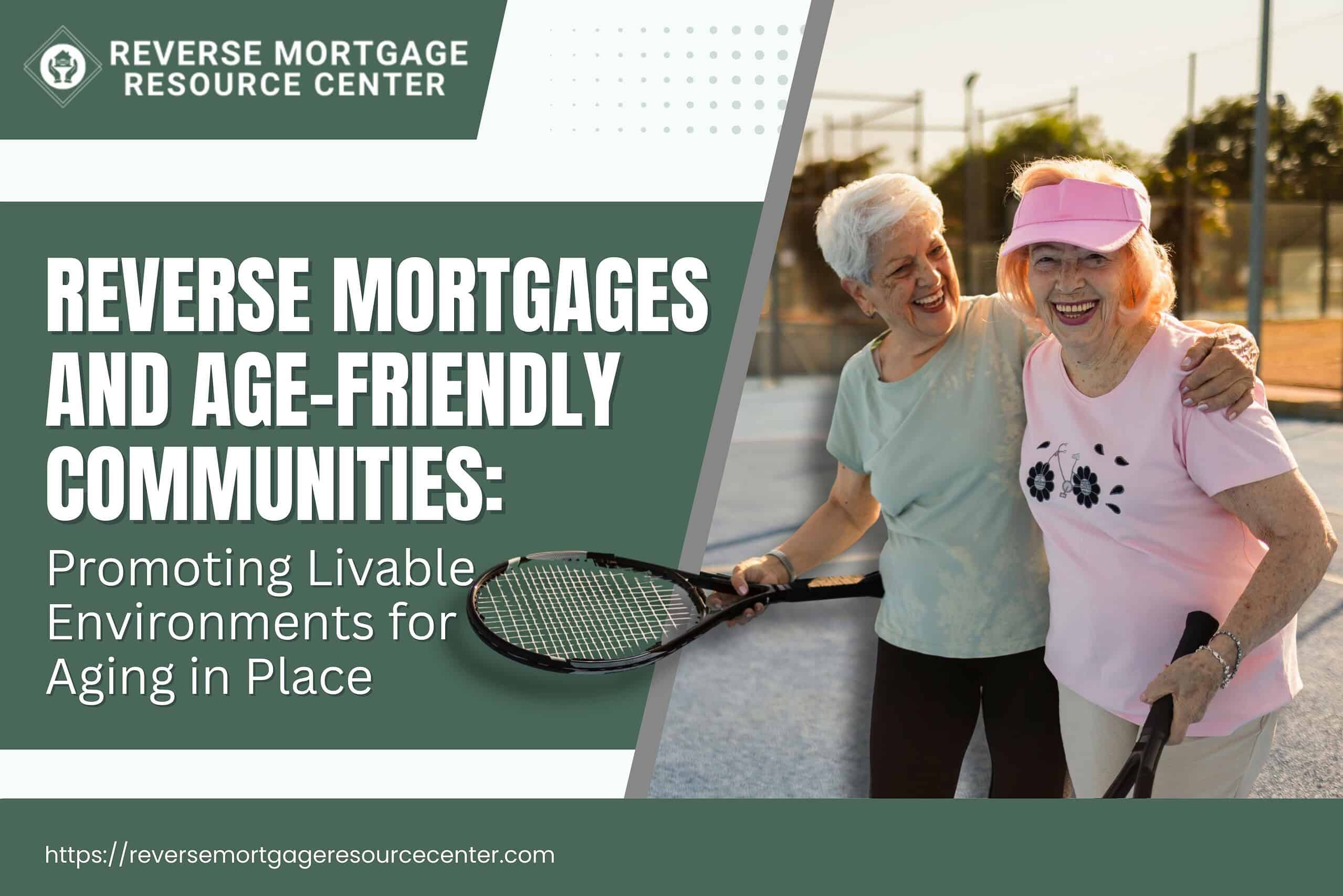
Reverse Mortgages and Age-Friendly Communities: Promoting Livable Environments for Aging in Place
As individuals traverse the golden years of their lives, the notion of aging gracefully and comfortably in their own homes resonates deeply. Yet, for many seniors, financial constraints may pose a significant hurdle to this ideal. Enter reverse mortgages – a financial tool offering a pathway for seniors to unlock the value of their homes while fostering age-friendly communities. In this article, we delve into the synergy between reverse mortgages and the development of age-friendly communities, highlighting how this symbiotic relationship can empower seniors to age in place with dignity and security.
Understanding Reverse Mortgages: A Gateway to Financial Flexibility
Reverse mortgages represent a unique financial instrument tailored to meet the needs of older homeowners. Unlike traditional mortgages where homeowners make monthly payments to a lender, reverse mortgages enable homeowners aged 62 and older to convert a portion of their home equity into tax-free funds without the burden of monthly repayments. Instead, repayment is deferred until the homeowner permanently moves out of the home, sells the property, or passes away.
One of the primary attractions of reverse mortgages lies in their versatility. Seniors can receive funds through various disbursement options, including lump sum payments, monthly installments, or a line of credit, providing the flexibility to cater to individual financial needs. This feature is particularly beneficial for seniors facing financial challenges in retirement, as it offers easily accessible funds that can supplement income, cover healthcare expenses, or fund home modifications to enhance safety and accessibility.
Aging in Place: Fostering Livable Environments for Seniors
A fundamental aspect of enhancing the quality of life for seniors is the creation of age-friendly communities – environments that promote inclusivity, accessibility, and social engagement for older adults. Aging in place, the ability to remain in one’s own home and community safely, independently, and comfortably, lies at the heart of age-friendly initiatives. By leveraging the equity in their homes through reverse mortgages, seniors can actively contribute to the development and sustenance of age-friendly communities.
Accessibility Modifications: Ensuring Safety and Independence
For many seniors, maintaining independence and mobility within their homes is paramount to aging in place successfully. However, outdated infrastructure and architectural barriers can impede these aspirations. Reverse mortgages offer a viable solution by providing the necessary financial resources to undertake accessibility modifications, such as installing ramps, grab bars, and stairlifts, thereby fostering a safe and supportive living environment for seniors.
These modifications not only enhance safety but also facilitate greater autonomy, enabling seniors to navigate their homes with confidence and dignity. By investing in accessibility upgrades, seniors can prolong their ability to age in place while minimizing the risk of accidents and injuries, thereby promoting a higher quality of life and peace of mind.
Home Renovations: Adapting Spaces to Changing Needs
As individuals age, their housing needs evolve, necessitating modifications to accommodate changing lifestyles and physical capabilities. Through reverse mortgages, seniors can finance home renovations tailored to their specific requirements, whether it involves widening doorways to accommodate mobility aids, retrofitting bathrooms for enhanced accessibility, or creating multigenerational living spaces to facilitate caregiving arrangements.
By adapting their homes to align with age-friendly principles, seniors can prolong their independence and quality of life while contributing to the broader goal of fostering inclusive communities. Moreover, these renovations can add value to the property, ensuring a legacy for future generations while enhancing the overall desirability and livability of the community.
Empowering Seniors: The Role of Reverse Mortgages in Age-Friendly Development
The synergy between reverse mortgages and age-friendly communities extends beyond individual homeowners to encompass the collective well-being of society’s aging population. By enabling seniors to access their home equity, reverse mortgages not only alleviate financial strains but also empower older adults to actively participate in community life and contribute to local economies. Here are several ways in which reverse mortgages support the development of age-friendly communities:
Economic Stimulus: Driving Local Growth and Sustainability
The infusion of home equity through reverse mortgages injects vitality into local economies, driving demand for goods and services and supporting small businesses. As seniors utilize their funds to renovate their homes, hire contractors, or purchase age-appropriate products, they catalyze economic activity within their communities, thereby fostering growth and sustainability.
Moreover, the financial stability afforded by reverse mortgages enables seniors to continue patronizing local businesses, contributing to the vibrancy and resilience of the community. By stimulating economic growth, reverse mortgages play a pivotal role in creating age-friendly environments where businesses thrive, employment opportunities abound, and residents can enjoy a high quality of life.
Social Engagement: Nurturing Vibrant Community Connections
Age-friendly communities thrive on robust social networks and intergenerational connections. By facilitating aging in place, reverse mortgages enable seniors to maintain strong ties with their neighborhoods, participate in community events, and engage in volunteer activities. These social interactions not only enhance the well-being of older adults but also enrich the fabric of local communities, fostering a sense of belonging and solidarity across generations.
Through reverse mortgages, seniors can continue to contribute actively to community life, sharing their wisdom, talents, and experiences with fellow residents. Whether through participating in local clubs and organizations, mentoring younger generations, or volunteering for charitable causes, seniors play a vital role in nurturing the social fabric of age-friendly communities, creating a sense of belonging and mutual support that transcends age barriers.
Housing Affordability: Preserving Affordable Housing Options
In the face of escalating housing costs and dwindling affordable housing stock, reverse mortgages offer a lifeline for seniors struggling to afford the upkeep of their homes. By tapping into their home equity, seniors can alleviate financial burdens associated with property taxes, maintenance costs, and utility bills, thereby preserving their ability to age in place affordably.
This, in turn, contributes to the overall diversity and inclusivity of age-friendly communities by ensuring that seniors from diverse socioeconomic backgrounds can remain in their homes with dignity and security. By preserving affordable housing options, reverse mortgages help mitigate the risk of displacement and gentrification, fostering a more equitable and sustainable housing landscape for all residents.
REVERSE MORTGAGE RESOURCE CENTER ~LIVE LIFE ON YOUR TERMS~
Our Lending Team has been serving our clients since 2004. We are passionate about serving our clients with integrity to help them achieve their financial goals.