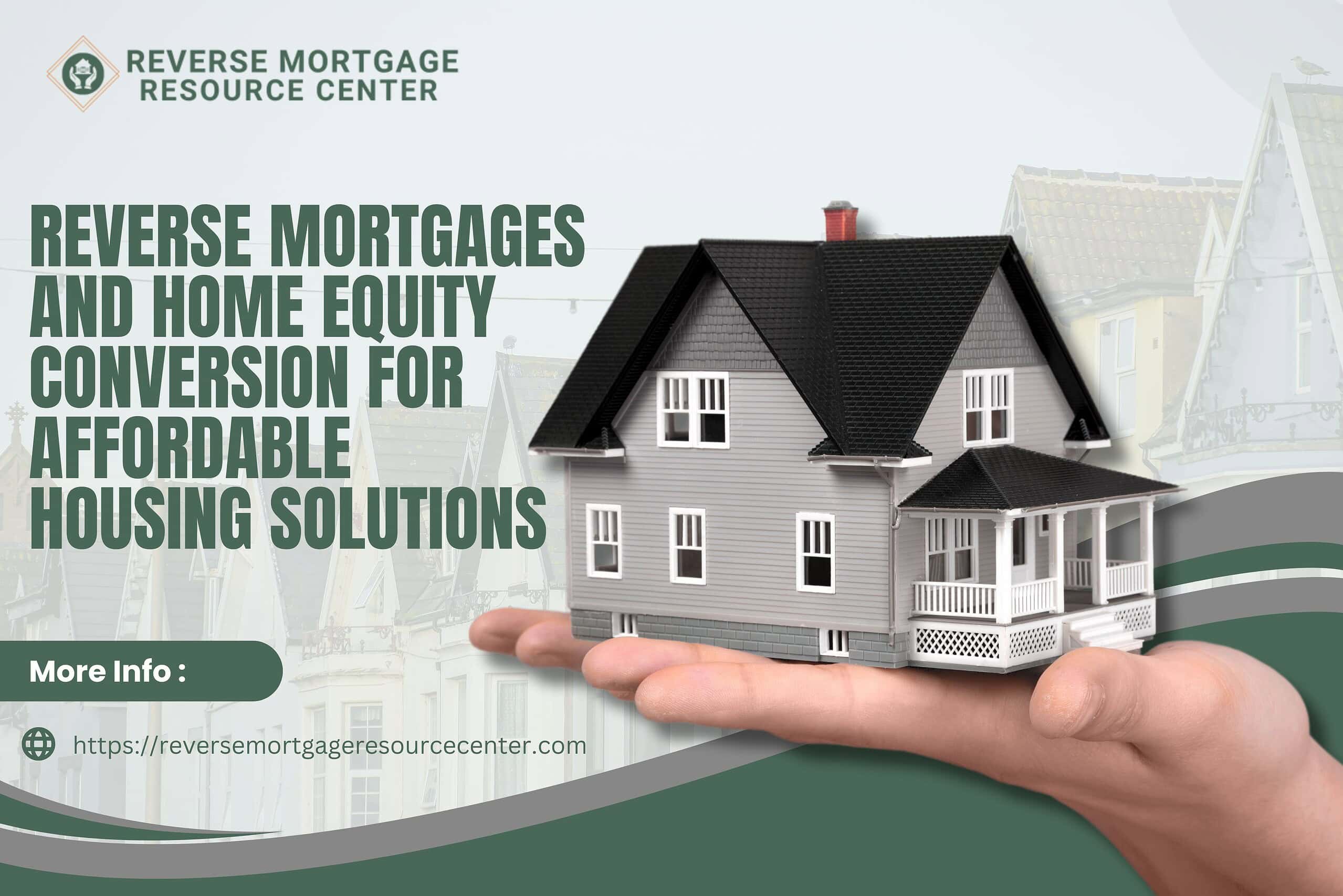
Reverse Mortgages and Home Equity Conversion for Affordable Housing Solutions
As the population ages, the issue of affordable housing for seniors becomes increasingly pressing. Many older adults face financial challenges in their retirement years, often exacerbated by rising housing costs. In this context, reverse mortgages and home equity conversion present viable solutions to address the need for quality housing options while enabling seniors to age in place with dignity. This article explores how reverse mortgages can be leveraged to tackle affordable housing challenges for seniors, providing insights into their benefits and considerations.
Understanding Reverse Mortgages
A reverse mortgage is a financial product that allows homeowners aged 62 and older to convert a portion of their home equity into easily accessible funds. Unlike traditional mortgages, where the homeowner makes monthly payments to the lender, in a reverse mortgage, the lender makes payments to the homeowner, either through a lump sum, monthly payments, or a line of credit. The loan is typically repaid when the homeowner sells the property, moves out permanently, or passes away.
Benefits for Seniors
- Access to Funds Without Monthly Payments: One of the primary advantages of reverse mortgages is that they provide seniors with access to easily accessible funds without requiring monthly payments. This feature can be particularly beneficial for retirees on fixed incomes who may struggle to meet regular mortgage payments.
- Ability to Age in Place: Many seniors wish to remain in their homes as they age, known as aging in place. Reverse mortgages enable this by providing funds that can be used to cover home renovations or modifications to accommodate changing mobility needs, allowing seniors to stay in familiar surroundings.
- Preservation of Homeownership: Contrary to common misconceptions, reverse mortgages do not transfer ownership of the home to the lender. The homeowner retains title to the property and can continue to live in the home as long as they fulfill the loan obligations, such as maintaining the property and paying property taxes and insurance.
- Flexibility in Use of Funds: Seniors can use the funds from a reverse mortgage for various purposes, including paying off existing mortgages, covering healthcare expenses, or supplementing retirement income. This flexibility allows individuals to tailor the loan to their specific financial needs.
- Protection Against Market Fluctuations: Unlike traditional investments tied to the stock market, the equity in one’s home is generally not subject to market fluctuations. This stability can provide seniors with a reliable source of income, especially during economic downturns.
- No Repayment Until Departure: With a reverse mortgage, repayment of the loan is not required until the homeowner permanently leaves the property. This can provide peace of mind for seniors, knowing that they can access funds without immediate repayment obligations.
Addressing Affordable Housing Challenges
- Unlocking Home Equity: For many seniors, a significant portion of their wealth is tied up in their homes. Reverse mortgages provide a means to unlock this home equity, allowing seniors to access funds that can be used to secure more affordable housing options or cover living expenses.
- Affordable Housing Options: By leveraging the equity in their homes, seniors can downsize or relocate to more affordable housing options without the financial burden of purchasing a new property outright. This could involve moving to a smaller home, a senior living community, or a rental property that better suits their budget and lifestyle.
- Supplementing Retirement Income: For seniors facing financial challenges in retirement, reverse mortgages can supplement existing sources of income, such as Social Security or pension payments. This additional fund can help cover housing costs and improve overall financial stability.
- Mitigating Foreclosure Risk: In cases where seniors are at risk of foreclosure due to inability to meet mortgage payments, a reverse mortgage can provide a lifeline by eliminating the need for monthly payments. This can help seniors avoid losing their homes and maintain housing security.
- Long-Term Care Planning: Reverse mortgages can also play a role in long-term care planning for seniors. By accessing home equity through a reverse mortgage, individuals may be able to afford in-home care services or transition to an assisted living facility, allowing them to receive the care they need while remaining in a familiar environment.
Considerations and Risks
While reverse mortgages offer several benefits for seniors, it’s essential to consider the potential risks and drawbacks:
- Accrued Interest: Since no monthly payments are required with a reverse mortgage, interest accrues over time, increasing the loan balance. This means that the total amount owed can grow significantly over the life of the loan, potentially reducing the equity available to heirs.
- Impact on Inheritance: Reverse mortgages can diminish the value of the home as an inheritance for heirs. When the homeowner passes away or permanently vacates the property, the loan becomes due, and the heirs must either repay the loan or sell the home to settle the debt.
- Loan Costs and Fees: Reverse mortgages often come with upfront costs and fees, including origination fees, closing costs, and mortgage insurance premiums. These expenses can eat into the available funds and reduce the overall benefit of the loan.
- Impact on Government Benefits: Proceeds from a reverse mortgage can affect eligibility for certain means-tested government benefits, such as Medicaid or Supplemental Security Income (SSI). Seniors should carefully consider the potential implications before proceeding with a reverse mortgage.
- Housing Market Fluctuations: While home equity is generally considered a stable asset, fluctuations in the housing market can impact the value of the home and the amount of equity available for a reverse mortgage. Seniors should be aware of the potential risks associated with changes in property values.
REVERSE MORTGAGE RESOURCE CENTER ~LIVE LIFE ON YOUR TERMS~
Our Lending Team has been serving our clients since 2004. We are passionate about serving our clients with integrity to help them achieve their financial goals.