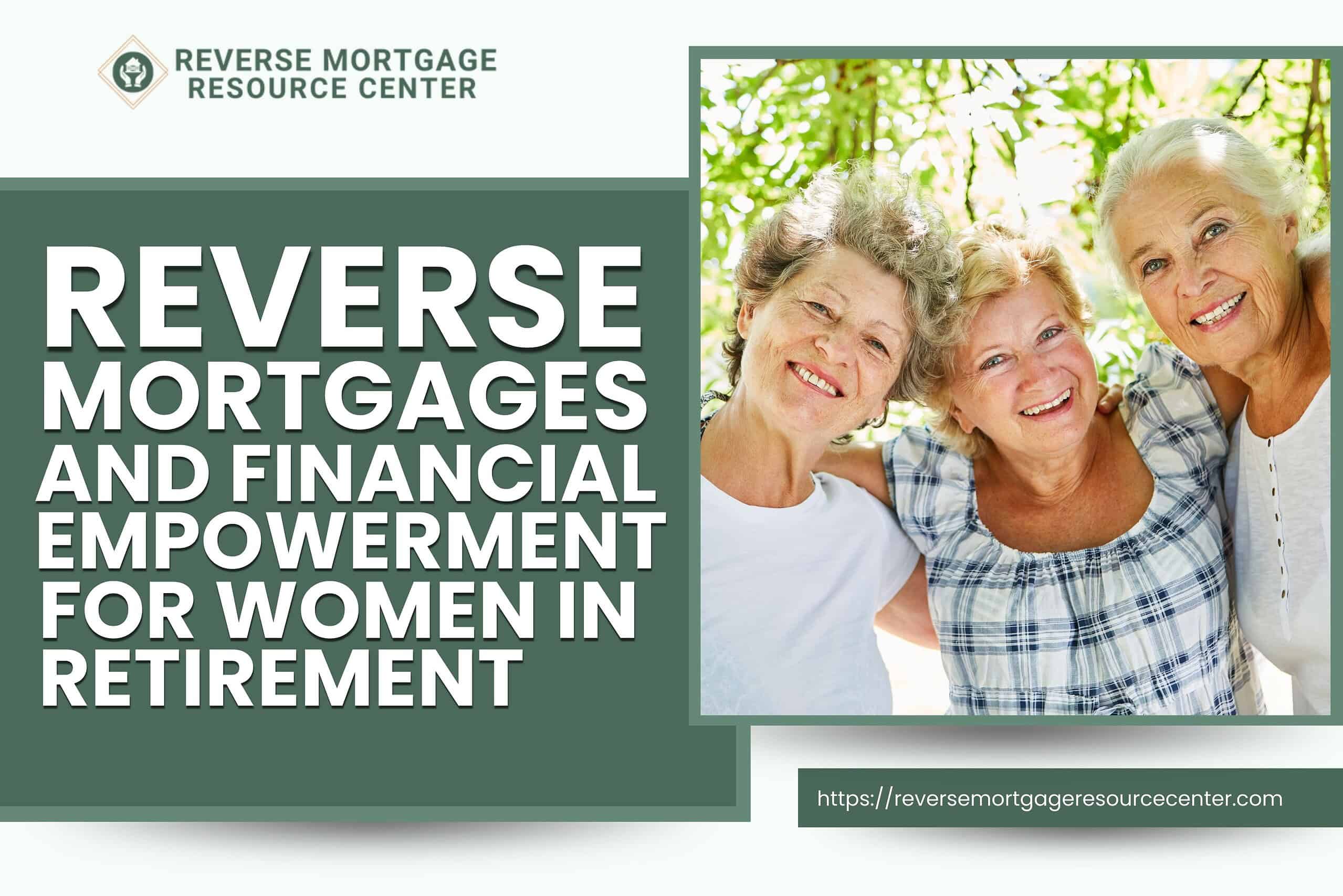
Reverse Mortgages and Financial Empowerment for Women in Retirement
In the journey toward financial security during retirement, women often encounter unique challenges that require tailored solutions. From longer life expectancies to earning disparities and caregiving responsibilities, the financial landscape for retired women can be complex and, at times, daunting. In navigating these challenges, one valuable tool emerges as a beacon of financial empowerment: the reverse mortgage.
Understanding the Financial Challenges Facing Women in Retirement
Before delving into the potential benefits of reverse mortgages, it’s essential to grasp the specific hurdles that women confront in retirement.
Longer Life Expectancies: Women typically live longer than men, which means they require more significant financial resources to sustain their lifestyle throughout retirement. According to the World Health Organization, women outlive men by an average of 5-7 years globally, and in some regions, the gap can be even wider. This extended lifespan amplifies the importance of adequate financial planning to ensure that women can maintain their quality of life well into their later years.
Earning Disparities: Despite strides toward gender equality in the workforce, earning disparities persist, with women often earning less than their male counterparts over their careers. This discrepancy in earnings can result in lower savings and reduced retirement benefits for women, leaving them more vulnerable to financial instability during retirement.
Caregiving Responsibilities: Women are more likely to take on caregiving responsibilities for children, spouses, or aging parents, which can disrupt their careers and impact their ability to save for retirement. The time and resources devoted to caregiving often result in fewer opportunities for career advancement and retirement planning, exacerbating the financial challenges faced by women in their later years.
Reverse Mortgages: A Path to Financial Empowerment
In the face of these unique challenges, reverse mortgages emerge as a powerful financial tool that can provide women with greater flexibility, security, and independence during retirement.
Access to Home Equity: A reverse mortgage allows homeowners aged 62 and older to access a portion of their home equity in the form of income tax-free funds, without the need to sell their home or incur monthly mortgage payments. For retired women who may have significant equity tied up in their homes but limited cash flow, a reverse mortgage can unlock a valuable source of liquidity to cover expenses, supplement retirement income, or fund unexpected costs.
Flexible Disbursement Options: Reverse mortgages offer flexibility in how loan proceeds are distributed, allowing borrowers to choose between a one-time lump sum, monthly disbursements, a line of credit, or a combination of these options. This flexibility enables women to tailor their reverse mortgage to suit their individual financial needs and goals, whether they seek to supplement their income, serve as a cash reserve for emergencies, or a one-time infusion of funds for a specific purpose.
Staying in the Home: One of the most significant advantages of a reverse mortgage is that it allows homeowners to remain in their homes while accessing their equity. For many retired women, their homes hold sentimental value and provide a sense of security and familiarity. By tapping into their home equity through a reverse mortgage, women can age in place comfortably, maintaining their independence and quality of life for as long as possible.
Non-Recourse Feature: Reverse mortgages are non-recourse loans, which means that borrowers (or their heirs) will never owe more than the appraised value of the home, even if the loan balance exceeds the value of the property. This feature provides a crucial safeguard for women and their families, ensuring that they won’t be burdened with additional debt in the event that the home’s value declines or the loan balance surpasses the property’s value.
Overcoming Misconceptions and Navigating the Decision-Making Process
Despite the potential benefits of reverse mortgages, misconceptions and misunderstandings about this financial product abound. To make informed decisions about whether a reverse mortgage is right for them, women in retirement must educate themselves about the intricacies of reverse mortgages and carefully consider their financial circumstances and objectives.
Seeking Professional Guidance: Before pursuing a reverse mortgage, it’s crucial for women to consult with qualified financial advisors, mortgage counselors, and estate planning experts who can provide personalized guidance tailored to their unique needs and circumstances. These professionals can help women evaluate the pros and cons of a reverse mortgage, explore alternative financial strategies, and ensure that they fully understand the implications of this decision.
Considering Long-Term Implications: While a reverse mortgage can offer immediate financial relief and flexibility, it’s essential to consider the long-term implications of this financial strategy. Women should assess how a reverse mortgage aligns with their overall retirement goals, estate planning objectives, and desires for leaving a legacy to their heirs. By taking a comprehensive approach to financial planning, women can make informed decisions that support their long-term financial security and well-being.
Weighing the Costs and Benefits: Like any financial product, reverse mortgages come with associated costs and risks that must be carefully evaluated. Women considering a reverse mortgage should assess factors such as origination fees, closing costs, interest rates, and ongoing maintenance requirements to determine whether the benefits outweigh the expenses. By conducting a thorough cost-benefit analysis, women can make informed choices that align with their financial priorities and objectives.
Addressing Concerns and Embracing Opportunities
While reverse mortgages offer significant benefits for women in retirement, it’s natural for concerns to arise regarding potential risks and implications. By addressing common concerns and embracing the opportunities that reverse mortgages present, women can make empowered decisions that enhance their financial well-being and security.
Preserving Homeownership Rights: One concern often raised about reverse mortgages is the potential impact on homeownership rights and property inheritance. Contrary to popular misconceptions, reverse mortgage borrowers retain ownership of their homes and can continue to live in them for as long as they choose. Additionally, heirs have the option to repay the reverse mortgage balance and retain ownership of the property or sell the home to settle the debt. With careful planning and communication, women can ensure that their wishes regarding homeownership and inheritance are respected.
Managing Interest and Equity: Another concern relates to the accrual of interest and the depletion of home equity over time. While it’s true that interest accrues on the outstanding balance of a reverse mortgage, the loan is typically repaid through the sale of the home upon the borrower’s death or relocation. Additionally, any remaining equity after repaying the reverse mortgage belongs to the homeowner or their heirs, providing a potential source of inheritance or financial legacy. By understanding the mechanics of interest accrual and equity management, women can make informed decisions that align with their long-term financial goals.
Exploring Alternatives and Supplemental Strategies: While reverse mortgages offer valuable benefits, they may not be the best option for every woman in retirement. It’s essential to explore alternative financial strategies and other supplemental income sources that complement or enhance the benefits of a reverse mortgage. Options such as annuities, investment portfolios, part-time employment, or downsizing to a smaller home can provide additional sources of income and financial security during retirement. By diversifying their financial portfolio and considering a range of options, women can optimize their retirement income and mitigate risk.
REVERSE MORTGAGE RESOURCE CENTER ~LIVE LIFE ON YOUR TERMS~
Our Lending Team has been serving our clients since 2004. We are passionate about serving our clients with integrity to help them achieve their financial goals.