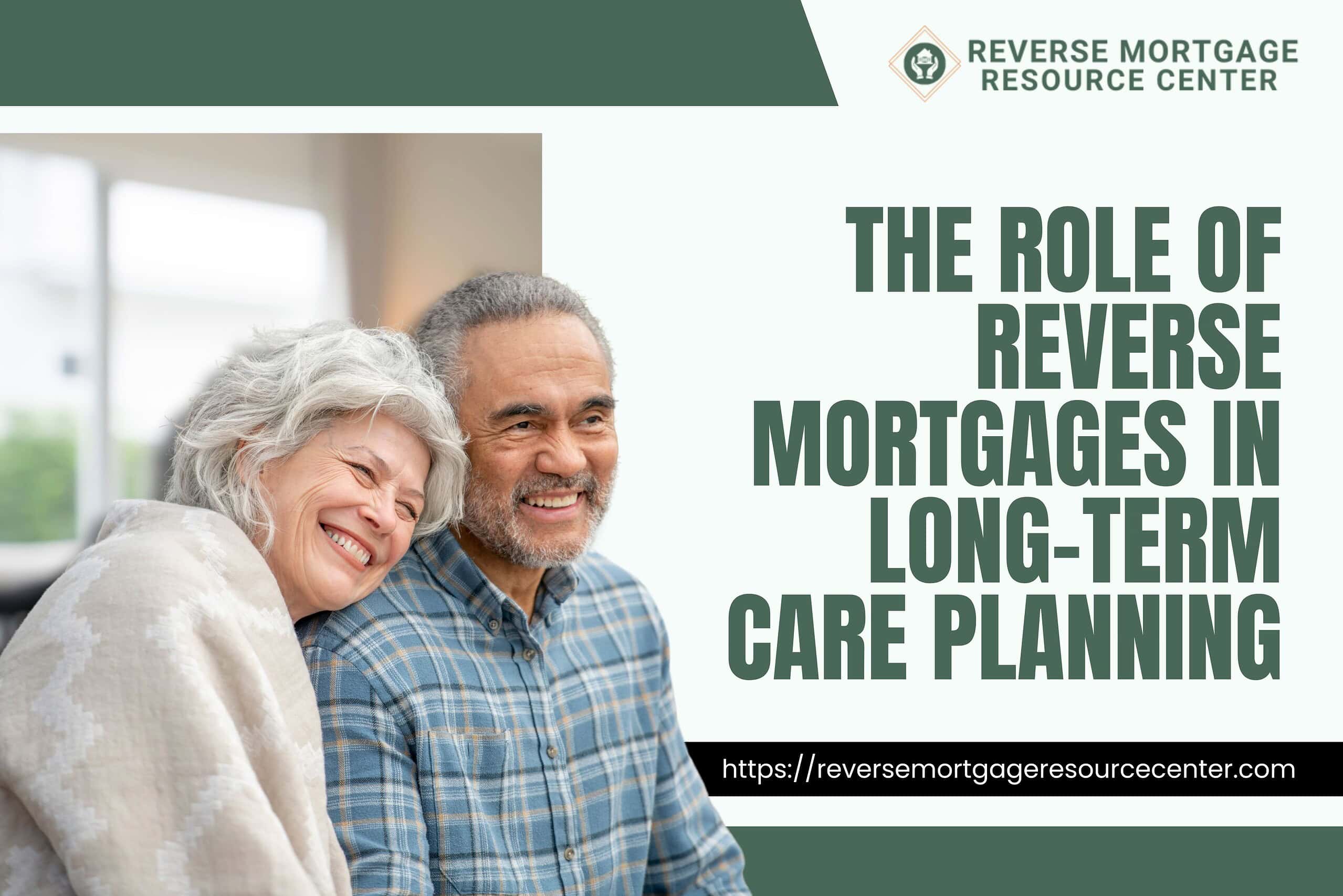
The Role of Reverse Mortgages in Long-Term Care Planning
As individuals approach retirement age, they often face the daunting prospect of planning for long-term care needs while managing financial constraints. Long-term care encompasses a wide range of services and support for individuals who have difficulty performing everyday activities due to illness, disability, or aging. This includes assistance with tasks such as bathing, dressing, and managing medications, whether provided in-home or in a nursing facility.
For seniors navigating these challenges, reverse mortgages offer a potential solution to help finance long-term care needs while preserving financial stability. In this article, we’ll delve into the role of reverse mortgages in long-term care planning, exploring how they can be integrated into comprehensive strategies to address various care needs.
Understanding Reverse Mortgages: A Brief Overview
A reverse mortgage is a financial product specifically designed for homeowners aged 62 and older. Unlike traditional mortgages where homeowners make monthly payments to the lender, with a reverse mortgage, the lender disburses funds to the homeowner, either as a one-time lump sum, monthly disbursements, a line of credit, or any combination thereof. The loan is repaid when the homeowner sells the property, moves out, or passes away.
Reverse mortgages are backed by the equity in the home, which is the difference between the home’s value and any outstanding mortgage debt. The homeowner retains ownership of the home and is still responsible for property taxes, homeowners insurance, and maintenance costs.
Financing Options for Long-Term Care
Long-term care can impose significant financial burdens on retirees, particularly as healthcare costs continue to rise. Various financing options are available to cover these expenses, including personal savings, long-term care insurance, Medicaid, and family assistance. However, each option has its limitations and may not fully address the diverse needs of seniors.
Challenges with Traditional Financing Methods
- Personal Savings: Many seniors may not have adequate savings to cover long-term care costs, especially if care needs are prolonged or unexpected.
- Long-Term Care Insurance: While long-term care insurance can provide coverage for nursing home care, premiums can be expensive, and coverage may be limited or unavailable for pre-existing conditions.
- Medicaid: Medicaid is a government program that covers long-term care for individuals with limited income and assets. However, eligibility requirements are strict, and not all seniors qualify.
- Family Assistance: Relying on family members for financial support or caregiving can strain relationships and may not be sustainable in the long term.
Integrating Reverse Mortgages into Long-Term Care Planning
Reverse mortgages offer a unique opportunity to tap into home equity to finance long-term care needs. By converting home equity into readily available funds without the need to sell the home, seniors can access a potentially significant source of funds to cover care expenses. Here’s how reverse mortgages can be integrated into long-term care planning strategies:
Financing In-Home Care
For many seniors, aging in place and receiving care at home is preferable to moving into a nursing facility. However, the cost of in-home care services can add up quickly, especially for round-the-clock care or specialized medical assistance. Reverse mortgages can provide a steady stream of funds to cover these expenses, allowing seniors to remain in the comfort of their own homes while receiving the care they need.
Supplementing Nursing Facility Costs
In some cases, transitioning to a nursing facility may be necessary to address complex medical needs or provide round-the-clock supervision. Nursing home care can be prohibitively expensive, often exceeding $100,000 per year in certain regions. Reverse mortgages can help offset these costs by providing additional funds to cover room and board, medical services, and other associated expenses.
Funding Home Modifications and Assistive Technology
As individuals age, they may require modifications to their homes to enhance safety and accessibility. This can include installing grab bars, ramps, stairlifts, and other assistive devices. Reverse mortgages can finance these home modifications, allowing seniors to age in place safely and comfortably while maintaining their independence.
Creating a Financial Safety Net
Long-term care needs can be unpredictable, and unexpected expenses can quickly deplete savings. By establishing a reverse mortgage line of credit, seniors can create a financial safety net to cover future care needs as they arise. The line of credit grows over time, providing flexibility and peace of mind knowing that funds are available when needed most.
Considerations and Caveats
While reverse mortgages can be a valuable tool for long-term care planning, it’s essential to carefully consider the implications and potential risks:
- Impact on Home Equity: Utilizing a reverse mortgage can reduce the equity available in the home, which may impact inheritance for heirs.
- Loan Fees and Interest: Reverse mortgages often come with upfront fees and accrue interest over time, which can diminish the overall equity in the home.
- Loan Repayment: Seniors are still responsible for paying property taxes, homeowners insurance, and maintenance costs associated with the home. Failure to meet these obligations could result in foreclosure.
- Loan Counseling: Federal regulations mandate that individuals seeking a reverse mortgage undergo counseling to ensure they fully understand the terms and implications of the loan.
REVERSE MORTGAGE RESOURCE CENTER ~LIVE LIFE ON YOUR TERMS~
Our Lending Team has been serving our clients since 2004. We are passionate about serving our clients with integrity to help them achieve their financial goals.