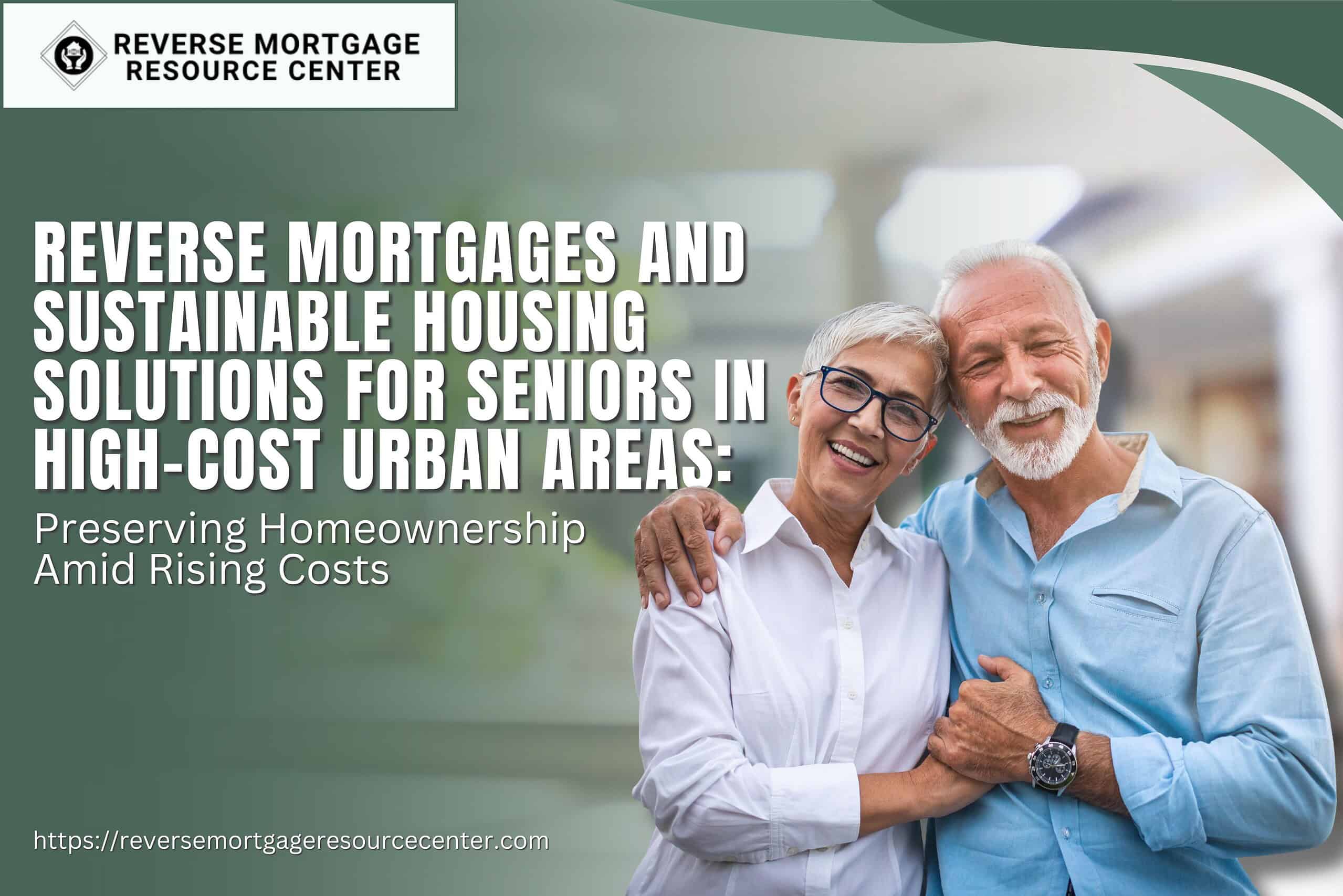
Reverse Mortgages and Sustainable Housing Solutions for Seniors in High-Cost Urban Areas: Preserving Homeownership Amid Rising Costs
In high-cost urban areas, where the cost of living continues to soar, seniors often face significant financial challenges in maintaining their homes. As property taxes, utility bills, and other expenses escalate, many older adults find themselves struggling to make ends meet while wishing to stay in their cherished homes. Amidst these daunting financial circumstances, reverse mortgages emerge as a valuable tool, offering seniors the opportunity to access affordable housing options and preserve their homeownership despite escalating costs.
Understanding the Challenge: Rising Costs in Urban Areas
High-cost urban areas present unique challenges for seniors aiming to maintain their homes. With housing prices skyrocketing and living expenses steadily increasing, many older adults confront the harsh reality of financial strain in their retirement years. The burden of property taxes, maintenance costs, and everyday living expenses can quickly become overwhelming, jeopardizing the ability of seniors to remain in their homes, often their most significant asset and a source of cherished memories.
Impact of Rising Costs on Seniors
The impact of rising costs on seniors in high-cost urban areas is multifaceted and profound. Many older adults living on fixed incomes struggle to keep pace with escalating property taxes, which can consume a significant portion of their retirement savings. Utility bills, including electricity, gas, and water, also pose a substantial financial burden, particularly for seniors living in older homes that may lack energy-efficient features. Additionally, the cost of healthcare and prescription medications continues to rise, further straining the budgets of seniors on limited incomes.
Challenges of Aging in Place
For many seniors, aging in place—remaining in their own homes as they grow older—is a deeply held desire. However, in high-cost urban areas, this aspiration is often challenged by financial constraints and the practical realities of homeownership. As homes age, maintenance and repair costs increase, placing additional strain on seniors’ limited resources. Furthermore, accessibility modifications, such as installing ramps or grab bars, may be necessary to accommodate changing mobility needs, adding to the financial burden of homeownership.
The Role of Reverse Mortgages: Empowering Seniors to Stay in Their Homes
Reverse mortgages offer a lifeline to seniors grappling with financial difficulties in high-cost urban areas. Unlike traditional mortgages, where homeowners make monthly payments to lenders, reverse mortgages allow homeowners aged 62 and older to convert a portion of their home equity into easily accessible funds without selling their homes or incurring monthly mortgage payments. This financial instrument enables seniors to access the equity they have built up in their homes over the years, providing much-needed funds to cover living expenses and other financial obligations.
How Reverse Mortgages Work
Reverse mortgages work by allowing homeowners to borrow against the equity in their homes, with the loan amount determined by factors such as the borrower’s age, the appraised value of the home, and current interest rates. The homeowner retains ownership of the property and is not required to make monthly payments on the loan. Instead, the loan balance accumulates over time and is typically repaid when the homeowner sells the home, moves out permanently, or passes away. Any remaining equity after repayment belongs to the homeowner or their heirs.
Types of Reverse Mortgages
There are several types of reverse mortgages available to seniors, each with its own features and eligibility requirements:
- Home Equity Conversion Mortgage (HECM): Insured by the Federal Housing Administration (FHA), HECM loans are the most common type of reverse mortgage. They offer flexibility in how funds are disbursed, allowing borrowers to choose between a lump sum, monthly payments, or a line of credit.
- Proprietary Reverse Mortgages: Offered by private lenders, proprietary reverse mortgages are designed for homeowners with high-value properties who may require access to larger loan amounts than those available through HECM loans.
- Single-Purpose Reverse Mortgages: Provided by state and local government agencies and nonprofit organizations, single-purpose reverse mortgages are intended for specific purposes, such as home repairs or property tax assistance.
Benefits of Reverse Mortgages for Seniors in High-Cost Urban Areas
Reverse mortgages offer several benefits to seniors facing financial challenges in high-cost urban areas:
Access to Funds:
Reverse mortgages provide seniors with a reliable source of funds that can help supplement their retirement income and cover essential expenses such as property taxes, utilities, healthcare costs, and home repairs.
Preservation of Homeownership:
By tapping into their home equity through a reverse mortgage, seniors can afford to stay in their homes, preserving their independence, and maintaining a sense of stability and familiarity in their later years.
Flexibility and Control:
Reverse mortgages offer flexibility and control to homeowners, allowing them to choose how they receive their funds, whether in a lump sum, monthly disbursements, or a line of credit. This flexibility empowers seniors to tailor their financial strategy to meet their specific needs and goals.
No Monthly Mortgage Payments:
Unlike traditional mortgages, reverse mortgages do not require monthly mortgage payments. This feature alleviates financial strain for seniors on fixed incomes, allowing them to use their resources for other necessities without the burden of ongoing mortgage payments.
Non-Recourse Loan:
Reverse mortgages are non-recourse loans, which means that borrowers or their heirs are not personally liable for any loan balance that exceeds the value of the home at the time of repayment. This protection provides peace of mind to seniors and their families, knowing that they will not be saddled with debt beyond the value of the home.
Considerations and Safeguards
While reverse mortgages offer significant advantages for seniors in high-cost urban areas, it’s essential to consider certain factors and safeguards:
Counseling Requirement:
Federal regulations require prospective reverse mortgage borrowers to undergo counseling with a HUD-approved counselor before obtaining a reverse mortgage. This counseling session aims to ensure that borrowers fully understand the terms and implications of the loan, including its costs, benefits, and potential alternatives.
Fees and Costs:
Reverse mortgages entail various fees and costs, including origination fees, mortgage insurance premiums, closing costs, and interest charges. It’s crucial for seniors to carefully review and understand these fees before proceeding with a reverse mortgage.
Impact on Heirs:
While reverse mortgages offer homeowners the ability to access their home equity, it’s essential to consider the potential impact on heirs and estate planning. The loan balance must be repaid upon the homeowner’s death, either through the sale of the home or other means, which may affect the inheritance received by heirs.
Eligibility Requirements:
To qualify for a reverse mortgage, homeowners must meet certain eligibility requirements, including being aged 62 or older, owning the home outright or having a low mortgage balance, and occupying the home as their primary residence. Additionally, homeowners must demonstrate the financial capacity to maintain the property, pay property taxes, and homeowners insurance.
REVERSE MORTGAGE RESOURCE CENTER ~LIVE LIFE ON YOUR TERMS~
Our Lending Team has been serving our clients since 2004. We are passionate about serving our clients with integrity to help them achieve their financial goals.