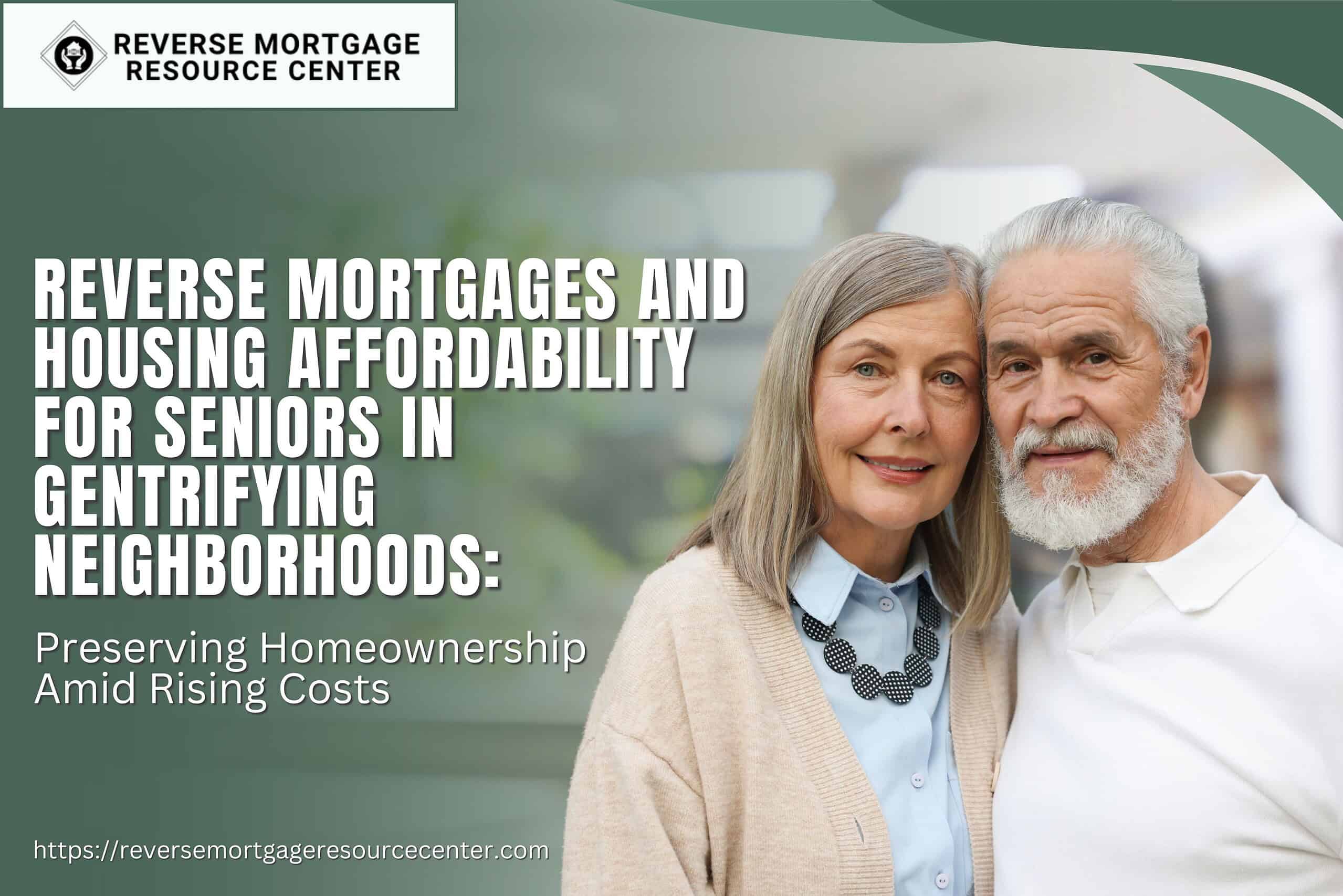
Reverse Mortgages and Housing Affordability for Seniors in Gentrifying Neighborhoods: Preserving Homeownership Amid Rising Costs
As the landscape of neighborhoods evolves, seniors find themselves confronted with unique challenges, particularly in areas experiencing gentrification. Gentrification often brings rising property values and taxes, making it increasingly difficult for seniors on fixed incomes to maintain their homes. In such circumstances, reverse mortgages emerge as a valuable tool, offering a lifeline to seniors seeking to preserve their homeownership and affordability amidst the changing tide of their neighborhoods.
Understanding Gentrification and Its Impact on Seniors
Gentrification, a phenomenon characterized by the influx of wealthier residents and businesses into a previously low-income area, is a double-edged sword for seniors. While it may bring improvements in infrastructure and amenities, it also tends to drive up property values and living costs. For seniors who have spent decades in their homes, these changes can pose significant threats to their ability to afford their property taxes and other expenses.
Seniors often face a dilemma: they may wish to remain in their homes due to sentimental attachment, community ties, or accessibility to healthcare services, but find themselves financially strained by rising costs. In some cases, they may even face the risk of displacement as property taxes become unmanageable on fixed incomes. It’s a harsh reality that many seniors are forced to confront as their neighborhoods transform around them.
The Role of Reverse Mortgages in Preserving Homeownership
Reverse mortgages offer a potential solution to the challenges faced by seniors in gentrifying neighborhoods. Unlike traditional mortgages, which require regular payments to the lender, reverse mortgages allow homeowners aged 62 and older to convert a portion of their home equity into readily available funds without the burden of monthly payments. Instead, the loan is repaid when the borrower permanently leaves the home, typically through the sale of the property.
One of the key benefits of reverse mortgages is that they provide seniors with access to funds, enabling them to cover expenses such as property taxes, home repairs, and healthcare costs. This can be particularly advantageous in gentrifying neighborhoods where property values are rising rapidly, as it allows seniors to tap into the increasing equity in their homes without having to sell or relocate.
Navigating the Reverse Mortgage Process
While reverse mortgages offer undeniable benefits, it’s essential for seniors to approach the process with caution and seek guidance from reputable lenders and financial advisors. Before committing to a reverse mortgage, seniors should carefully consider their individual circumstances, including their long-term housing plans, financial needs, and estate planning goals.
Additionally, it’s crucial for seniors to understand the terms and obligations associated with reverse mortgages, including interest rates, loan origination fees, and potential risks such as the depletion of home equity over time. Working with a knowledgeable advisor can help seniors make informed decisions and avoid potential pitfalls.
Preserving Affordability and Community Stability
Beyond providing financial relief to individual seniors, reverse mortgages play a broader role in preserving affordability and community stability in gentrifying neighborhoods. By allowing seniors to remain in their homes and maintain ownership, reverse mortgages help prevent displacement and preserve the social fabric of neighborhoods.
Furthermore, when seniors are able to access the equity in their homes through reverse mortgages, they can contribute to local economies by spending their funds on goods and services within their communities. This influx of spending helps support local businesses and can contribute to the overall vitality of gentrifying neighborhoods.
Addressing Common Concerns and Misconceptions
Despite the potential benefits of reverse mortgages, many seniors may harbor concerns or misconceptions about this financial product. One common fear is the loss of homeownership, as some seniors worry that they will no longer own their homes once they take out a reverse mortgage.
However, it’s important to understand that reverse mortgages are structured to allow seniors to retain ownership of their homes. The loan is only repaid when the borrower permanently leaves the home, whether due to relocation, selling the property, or passing away. Until that time, as long as the borrower maintains the property, and is current on homeowner insurance and property taxes, the borrower retains full control over their home and can continue to live in it as they please.
Another concern relates to the impact of a reverse mortgage on inheritance. Some seniors worry that taking out a reverse mortgage will leave their heirs with little to inherit or even result in the loss of the family home.
While it’s true that a reverse mortgage reduces the equity available for inheritance, it does not necessarily mean that heirs will receive nothing. When the loan is repaid, either through the sale of the property or other means, any remaining equity belongs to the borrower or their heirs. Additionally, heirs have the option to repay the reverse mortgage and retain ownership of the home if they wish to do so.
The Importance of Financial Planning and Education
In navigating the complexities of reverse mortgages and housing affordability, financial planning and education play crucial roles. Seniors should take the time to thoroughly research their options, consult with trusted advisors, and develop a comprehensive financial plan that aligns with their goals and values.
Furthermore, ongoing education is essential to ensure that seniors stay informed about changes in housing policies, financial regulations, and available resources. By staying proactive and engaged, seniors can make empowered decisions that enable them to preserve their homeownership and financial security in the face of gentrification and other challenges.
Final Thoughts
In the face of rising property values and taxes in gentrifying neighborhoods, seniors are often left grappling with the challenge of maintaining affordable housing options. Reverse mortgages offer a viable solution, providing seniors with the financial flexibility to remain in their homes while navigating the changing landscape of their communities.
By tapping into the equity in their homes through reverse mortgages, seniors can access much-needed funds to cover expenses and preserve their homeownership. This not only benefits individual seniors but also contributes to the stability and vibrancy of gentrifying neighborhoods as a whole.
As seniors confront the realities of aging in place amidst gentrification, reverse mortgages stand out as a powerful tool for preserving affordability, community cohesion, and the dignity of homeownership in later life. With careful consideration and guidance, seniors can leverage reverse mortgages to navigate the challenges of housing affordability and secure their place in the neighborhoods they call home.
REVERSE MORTGAGE RESOURCE CENTER ~LIVE LIFE ON YOUR TERMS~
Our Lending Team has been serving our clients since 2004. We are passionate about serving our clients with integrity to help them achieve their financial goals.