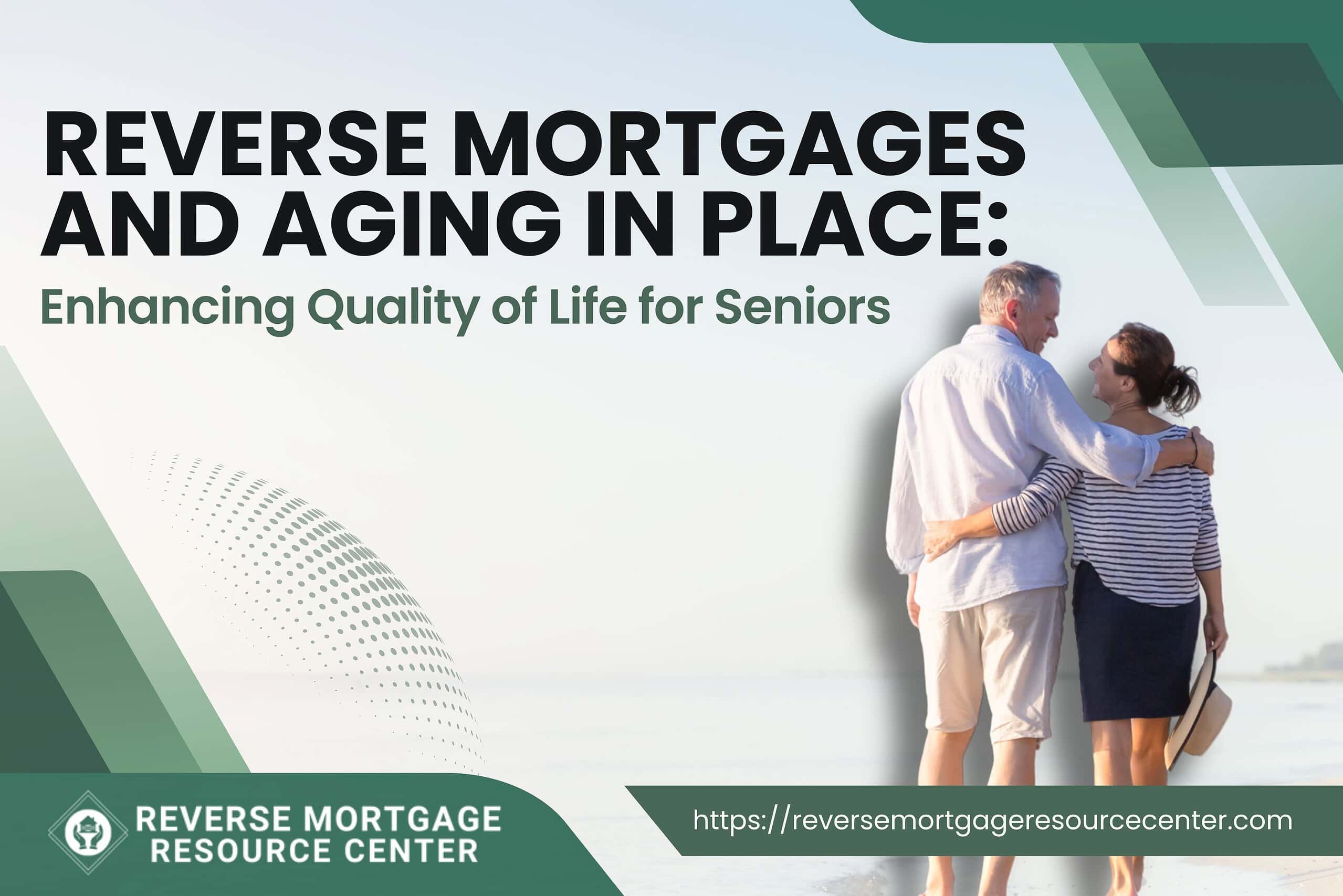
Reverse Mortgages and Aging in Place
As the golden years approach, many seniors express a deep desire to maintain their independence and continue residing in their own homes. This aspiration to “age in place” is not merely a matter of convenience; it’s a fundamental aspect of maintaining quality of life and personal autonomy. However, financial challenges can often stand in the way of achieving this goal. Fortunately, there exists a powerful financial tool that can help seniors overcome these obstacles and enhance their ability to age in place: the reverse mortgage.
Understanding Reverse Mortgages
A reverse mortgage is a unique financial product specifically designed to assist homeowners aged 62 and older in accessing the equity in their homes. Unlike a traditional mortgage where the borrower makes monthly payments to the lender, with a reverse mortgage, the lender disburses loan proceeds to the borrower, either in a lump sum, a line of credit, or monthly disbursements. The loan is repaid when the borrower moves out of the home or passes away, typically through the sale of the home. Importantly, the borrower retains ownership of the home and is still responsible for property taxes, insurance, and maintenance.
Overcoming Financial Hurdles
For many seniors, limited financial resources can pose significant barriers to aging in place. Expenses related to home modifications, medical equipment, and daily living needs can quickly accumulate, making it difficult to afford necessary accommodations. This is where a reverse mortgage can make a profound difference. By tapping into the equity of their homes, seniors can access funds to finance essential upgrades and services that support independent living.
Funding Home Modifications
One of the primary challenges seniors face when aging in place is ensuring that their homes are safe and accessible. Simple modifications such as installing grab bars in bathrooms, widening doorways for wheelchair access, or adding ramps can significantly enhance the livability of a home for aging individuals. However, these modifications often come with substantial costs that may be prohibitive for seniors on fixed incomes. A reverse mortgage can provide the necessary funds to make these modifications, allowing seniors to remain in their homes safely and comfortably.
Access to Medical Equipment
As individuals age, the need for medical equipment and assistive devices may increase. From mobility aids like walkers and scooters to specialized medical equipment such as stairlifts or adjustable beds, these items can greatly improve seniors’ quality of life and ability to navigate their homes independently. Yet, the expense associated with purchasing or renting such equipment can strain already tight budgets. By utilizing a reverse mortgage, seniors can afford the medical equipment they need to age in place with dignity and ease.
Supporting Daily Living Needs
Beyond home modifications and medical equipment, everyday expenses can also present challenges for seniors on fixed incomes. From utility bills to groceries to prescription medications, the cost of basic necessities can quickly erode savings and strain budgets. A reverse mortgage can provide a reliable source of supplemental funds to help cover these expenses, ensuring that seniors can afford to remain in their homes without sacrificing their quality of life.
Enhancing Quality of Life
Ultimately, the ability to age in place is not just about physical accommodations; it’s also about maintaining a sense of independence, community, and purpose. Remaining in familiar surroundings allows seniors to stay connected to their social networks, engage in meaningful activities, and retain a sense of belonging. By alleviating financial burdens and enabling seniors to stay in their homes, reverse mortgages support these vital aspects of quality of life, promoting emotional well-being and overall happiness in the later years.
Accessing Home Care Services
In addition to home modifications and medical equipment, many seniors may require assistance with daily tasks such as meal preparation, housekeeping, or personal care. Home care services can provide invaluable support, allowing seniors to maintain their independence while receiving the help they need to remain safe and comfortable in their homes. However, the cost of these services can be prohibitive for some seniors. A reverse mortgage can help cover the expense of home care services, ensuring that seniors have access to the support they require to age in place with dignity.
Planning for Long-Term Care
While aging in place is a desirable goal for many seniors, it’s essential to plan for the possibility of needing long-term care in the future. Whether due to declining health or increased support needs, there may come a time when remaining at home is no longer feasible. In such cases, having a plan in place for long-term care is crucial. A reverse mortgage can provide financial flexibility to explore options such as assisted living facilities or in-home care services, allowing seniors to transition smoothly to the next stage of care when the time comes.
Financial Considerations and Risks
While reverse mortgages offer significant benefits for seniors seeking to age in place, it’s essential to carefully consider the financial implications and potential risks associated with this financial product. Borrowers should be aware of fees, interest rates, and repayment terms, as well as the impact on their home equity and inheritance for their heirs. Additionally, counseling from a HUD-approved housing counselor is required before obtaining a reverse mortgage to ensure that borrowers fully understand their rights and obligations.
REVERSE MORTGAGE RESOURCE CENTER ~LIVE LIFE ON YOUR TERMS~
Our Lending Team has been serving our clients since 2004. We are passionate about serving our clients with integrity to help them achieve their financial goals.