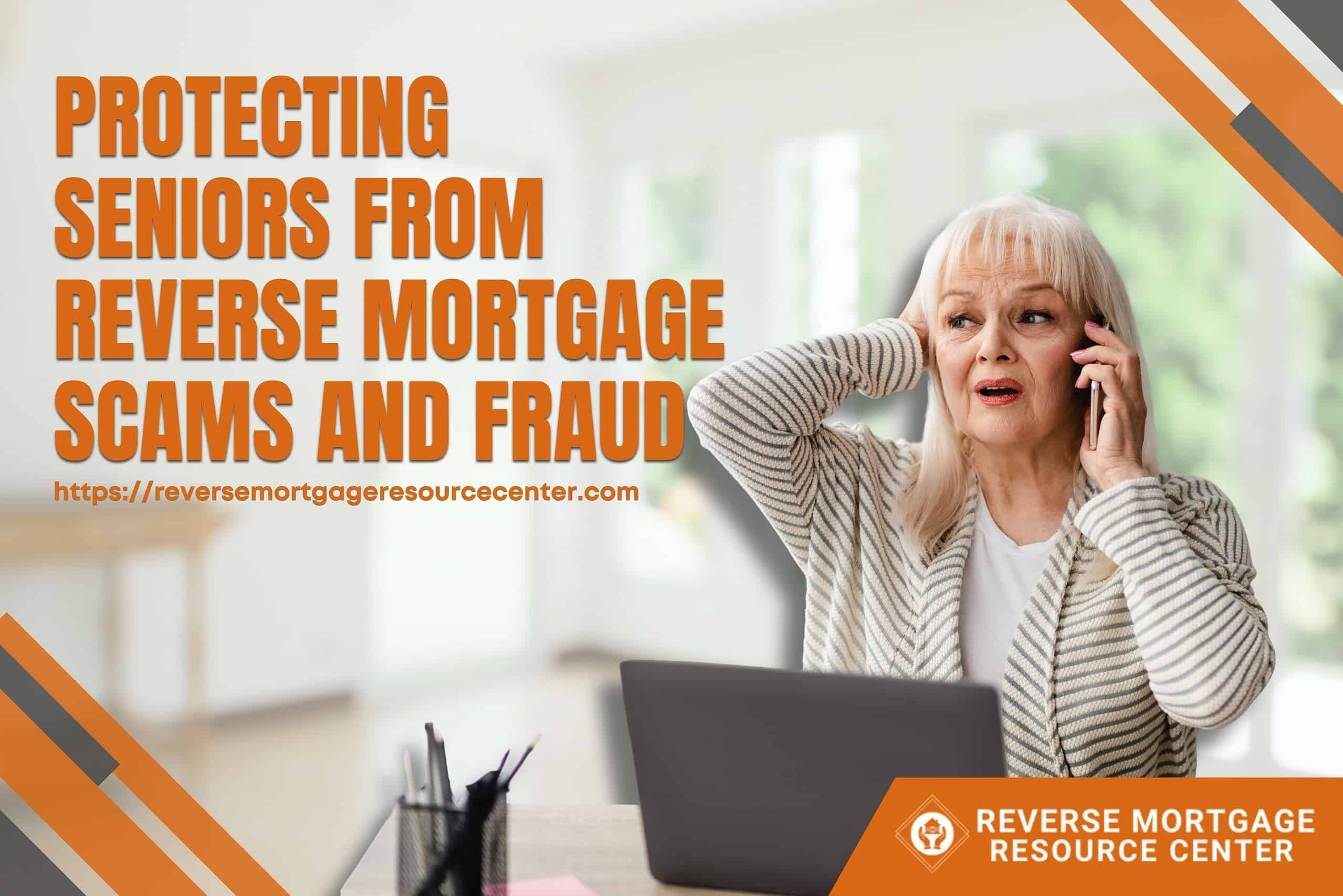
Protecting Seniors from Reverse Mortgage Scams and Fraud
In an era where financial scams and frauds run rampant, seniors facing financial challenges in retirement are often prime targets for exploitation. Among the many financial instruments available to seniors, reverse mortgages have emerged as both a valuable resource and a potential avenue for exploitation. Understanding the common scams and fraudulent schemes targeting reverse mortgage borrowers is crucial for safeguarding the financial well-being of seniors. In this comprehensive guide, we will explore these risks and provide practical tips and resources to help seniors avoid falling victim to financial exploitation.
Understanding Reverse Mortgages: A Brief Overview
Before delving into the specifics of scams and frauds, it’s essential to grasp the basics of reverse mortgages. A reverse mortgage is a loan available to homeowners aged 62 or older, allowing them to convert part of their home equity into readily accessible funds. Unlike traditional mortgages, reverse mortgages do not require monthly payments. Instead, the loan is repaid when the borrower moves out of the home, sells the property, or passes away.
While reverse mortgages can provide financial flexibility for seniors, they also come with risks, including the potential for scams and frauds. Unscrupulous individuals often target seniors with misleading information or fraudulent schemes, exploiting their desire for financial stability in retirement.
Common Scams and Fraudulent Schemes
- Equity Stripping: In this scheme, dishonest lenders or brokers persuade seniors to take out a reverse mortgage and then use the proceeds to purchase unsuitable financial products or investments. These products may be complex and unsuitable for the borrower’s needs, resulting in financial losses.
- Loan Flipping: Some unscrupulous lenders may encourage seniors to repeatedly refinance their reverse mortgages, often without providing any tangible benefit. Each time the loan is refinanced, fees and closing costs are added, eroding the borrower’s equity and potentially leaving them in a worse financial position.
- Foreclosure Rescue Scams: Fraudsters may prey on seniors facing financial difficulties by offering to help them avoid foreclosure through a reverse mortgage. These scammers often charge exorbitant fees and may even deceive seniors into signing over their home’s title, resulting in the loss of ownership.
- Imposter Scams: Seniors may receive unsolicited phone calls or emails from individuals posing as government officials or representatives of legitimate financial institutions. These imposters may request personal information or payment for nonexistent services, leading to identity theft or financial losses.
- Home Improvement Scams: Some contractors target seniors with reverse mortgages, offering home improvement services at inflated prices or performing substandard work. These scams can deplete the equity in the home, leaving seniors with little to no recourse.
Protecting Yourself from Scams and Fraud
- Educate Yourself: Take the time to thoroughly research reverse mortgages and understand the terms and conditions before committing to a loan. Be wary of anyone who pressures you into making a hasty decision or fails to provide clear and transparent information.
- Consult with a HUD-approved Counselor: The Department of Housing and Urban Development (HUD) offers free counseling services for seniors considering a reverse mortgage. A HUD-approved counselor can provide unbiased information and help you evaluate your options.
- Verify Credentials: Before working with a lender, broker, or contractor, verify their credentials and check for any disciplinary actions or complaints. Be cautious of individuals or companies that refuse to provide references or credentials.
- Read the Fine Print: Carefully review all documents related to your reverse mortgage, including the loan agreement and disclosures. Pay close attention to fees, interest rates, and repayment terms, and ask questions about anything you don’t understand.
- Stay Vigilant: Be wary of unsolicited offers or requests for personal information, especially if they come via phone, email, or mail. Legitimate organizations will never ask for sensitive information or payment upfront without providing proper documentation.
Resources for Seniors
- National Reverse Mortgage Lenders Association (NRMLA): NRMLA offers resources and educational materials for seniors considering a reverse mortgage, including a list of reputable lenders and tips for avoiding scams.
- Consumer Financial Protection Bureau (CFPB): The CFPB provides information on reverse mortgages, including guides, videos, and articles to help seniors make informed decisions and avoid fraud.
- Federal Trade Commission (FTC): The FTC offers tips and resources for seniors to protect themselves from financial scams and frauds, including information on identity theft and imposter scams.
- National Council on Aging (NCOA): NCOA offers programs and services for older adults, including financial counseling and assistance with reverse mortgages. They also provide information on other financial assistance programs for seniors.
Wrap Up
Protecting seniors from reverse mortgage scams and fraud requires vigilance, education, and access to resources. By understanding the common scams and fraudulent schemes targeting reverse mortgage borrowers and following practical tips for safeguarding their financial well-being, seniors can reduce the risk of falling victim to exploitation. Remember to consult with trusted advisors, thoroughly research your options, and stay informed about the latest scams and frauds targeting seniors. With the right knowledge and precautions, seniors can enjoy the benefits of a reverse mortgage without fear of financial exploitation.
REVERSE MORTGAGE RESOURCE CENTER ~LIVE LIFE ON YOUR TERMS~
Our Lending Team has been serving our clients since 2004. We are passionate about serving our clients with integrity to help them achieve their financial goals.