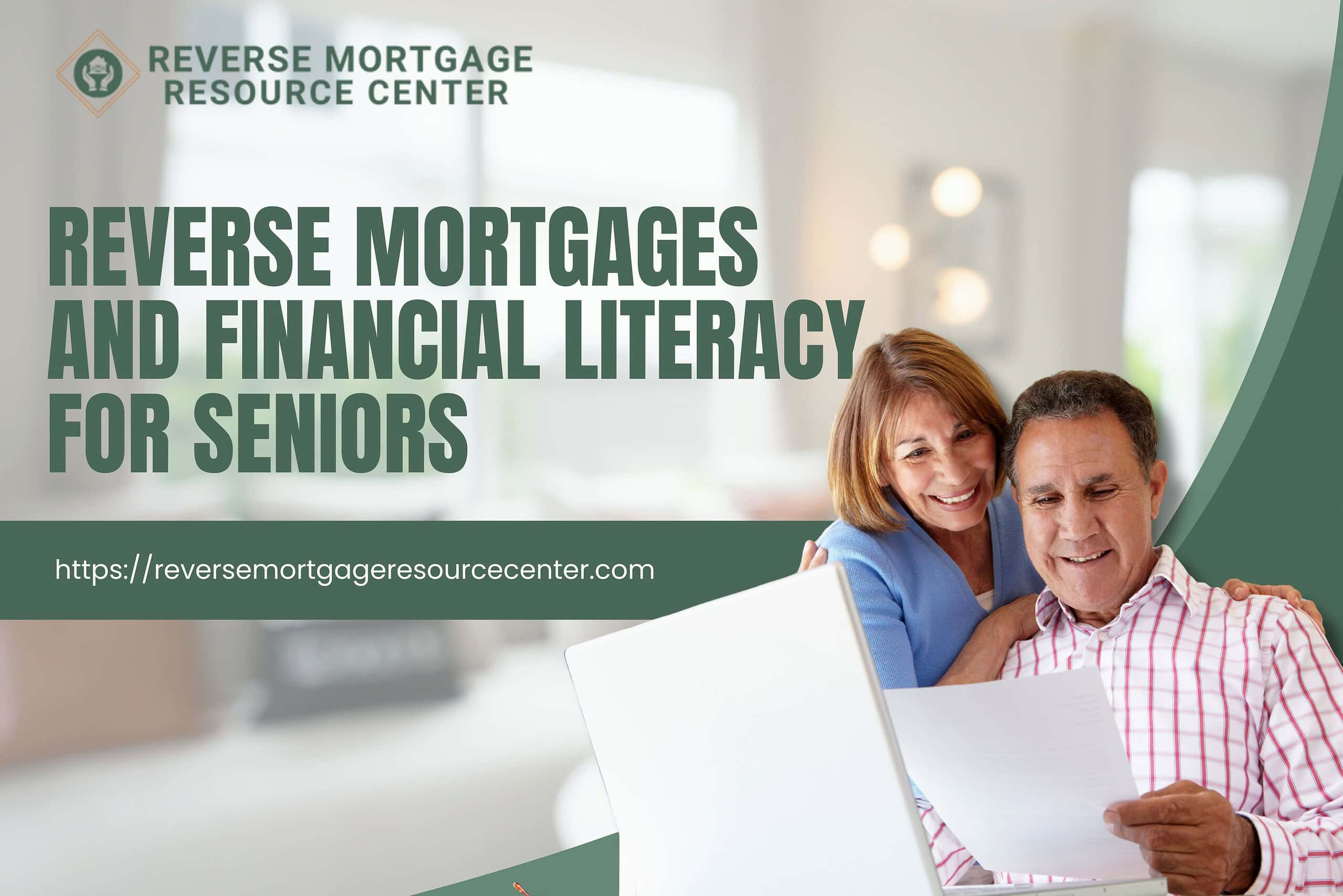
Reverse Mortgages and Financial Literacy for Seniors
In the golden years of retirement, financial stability becomes paramount. However, for many seniors, navigating the complexities of financial products can be daunting. One such product often discussed in financial planning circles is the reverse mortgage. While it can offer financial relief and security, it’s crucial for seniors to fully comprehend its intricacies to make informed decisions about their financial futures. In this article, we delve into the world of reverse mortgages, aiming to empower seniors with the knowledge they need to navigate this financial tool effectively.
Understanding Reverse Mortgages
A reverse mortgage is a loan designed for homeowners aged 62 and older, allowing them to convert part of their home equity into readily accessible funds. Unlike traditional mortgages where homeowners make monthly payments to a lender, with a reverse mortgage, the lender disburses loan proceeds as a one-time lump sum, monthly disbursements, or a line of credit. The loan is repaid when the borrower moves out of the home or passes away, typically through the sale of the home.
Reverse mortgages are backed by the Federal Housing Administration (FHA) and are subject to certain eligibility requirements, including age, equity in the home, and the home’s value. Borrowers must continue to pay property taxes, homeowners insurance, and maintain the property to avoid defaulting on the loan.
Benefits of Reverse Mortgages
- Supplement Retirement Income: For seniors facing financial strain in retirement, a reverse mortgage can provide a much-needed source of funds. It allows them to tap into their home equity without having to sell their home or make monthly mortgage payments.
- No Monthly Mortgage Payments: Unlike traditional mortgages, where borrowers need to make monthly payments, reverse mortgages provide relief from this financial obligation. This can be particularly advantageous for retirees on fixed incomes.
- Stay in Your Home: Seniors can continue to live in their homes as long as they meet the loan obligations, such as maintaining the property and paying property taxes and insurance.
- Flexible Disbursement Options: Reverse mortgages offer various disbursement options, including a one-time lump sum, monthly disbursements, or a line of credit. This flexibility allows borrowers to choose the option that best suits their financial needs.
Risks and Considerations
While reverse mortgages offer numerous benefits, it’s essential for seniors to consider the potential risks and drawbacks before proceeding:
- Accruing Interest: Interest on a reverse mortgage accrues over time, potentially leading to a significant amount owed upon repayment. Borrowers should carefully consider how much equity they’re willing to leverage and the long-term implications of accruing interest.
- Impact on Inheritance: Taking out a reverse mortgage can reduce the equity available to heirs upon the borrower’s passing. Seniors should discuss their decision with family members and consider how it may impact their estate planning.
- Loan Costs: Reverse mortgages come with fees and closing costs, similar to traditional mortgages. These costs can vary depending on the lender and loan terms, so it’s essential to carefully review all associated expenses.
- Home Equity Reduction: As reverse mortgages allow homeowners to tap into their home equity, the amount of equity available for other purposes, such as healthcare expenses or emergencies, may decrease over time.
- Loan Repayment: Reverse mortgages must be repaid when the borrower moves out of the home or passes away. This repayment typically involves selling the home, which can impact the borrower’s estate and heirs.
Promoting Financial Literacy Among Seniors
To ensure seniors make informed decisions about reverse mortgages and other financial products, promoting financial literacy is paramount. Here are some strategies to empower seniors with the knowledge and resources they need:
- Education Workshops: Hosting workshops or seminars specifically tailored to seniors can provide valuable information on topics such as reverse mortgages, budgeting, and retirement planning. These sessions can be conducted by financial advisors or experts in the field.
- Online Resources: Creating accessible online resources, such as articles, videos, and interactive tools, can help seniors learn at their own pace. These resources should be user-friendly and address common questions and concerns about reverse mortgages.
- One-on-One Counseling: Offering personalized counseling sessions with financial professionals can provide seniors with the opportunity to ask questions, discuss their specific financial situation, and receive tailored guidance.
- Community Partnerships: Collaborating with local senior centers, libraries, and community organizations can expand outreach efforts and reach a broader audience of seniors in need of financial education.
- Clear and Transparent Information: Ensuring that information about reverse mortgages is presented in a clear, transparent manner can help seniors make informed decisions. This includes providing details about loan terms, costs, risks, and alternatives.
REVERSE MORTGAGE RESOURCE CENTER ~LIVE LIFE ON YOUR TERMS~
Our Lending Team has been serving our clients since 2004. We are passionate about serving our clients with integrity to help them achieve their financial goals.