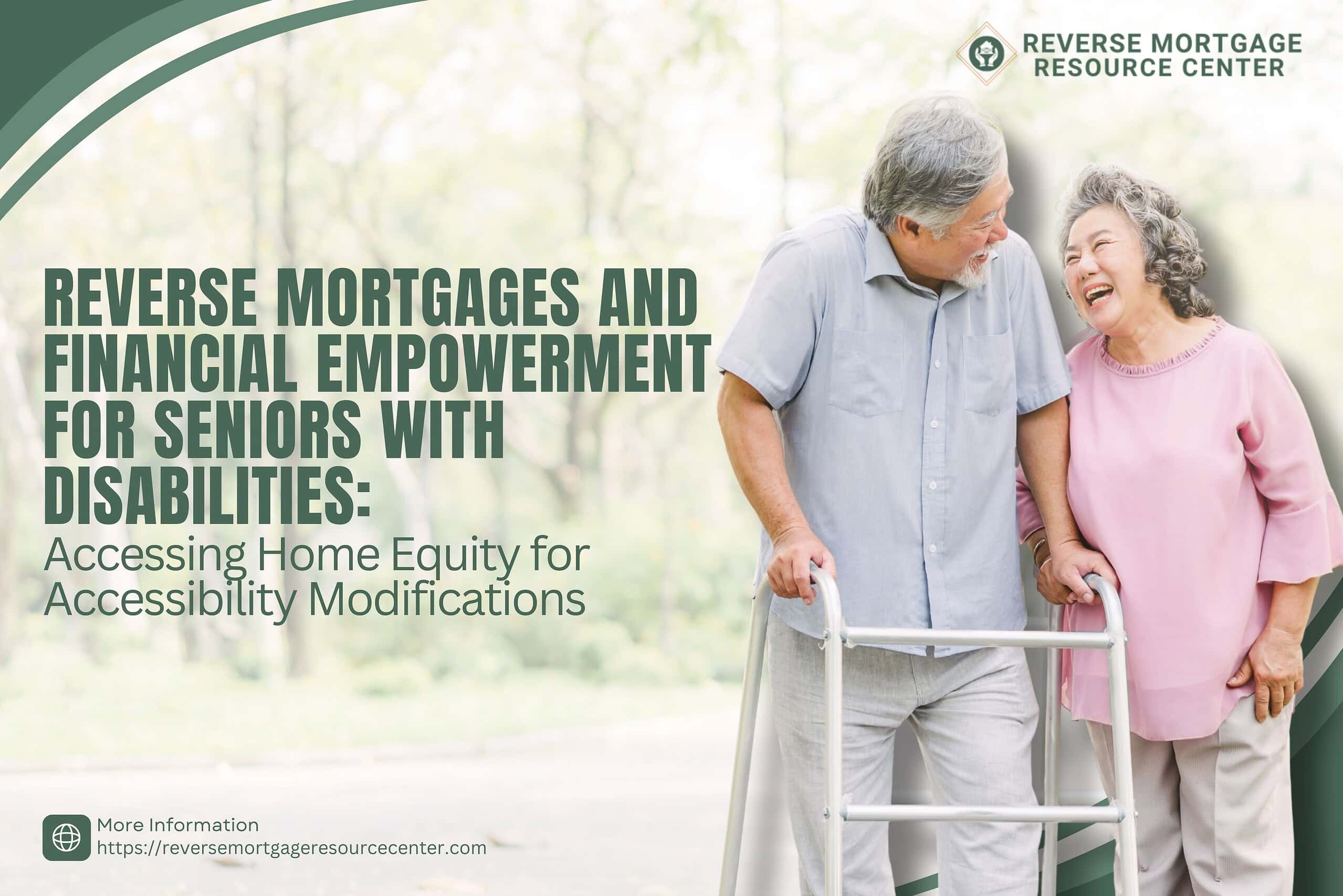
Reverse Mortgages and Financial Empowerment for Seniors with Disabilities: Accessing Home Equity for Accessibility Modifications
In the realm of financial planning for seniors with disabilities, the concept of reverse mortgages stands as a beacon of hope, offering a pathway to accessibility modifications that can significantly enhance independent living. As individuals age and face physical limitations, ensuring that their homes are equipped with the necessary accommodations becomes paramount. However, the financial burden associated with such modifications can often seem insurmountable. Enter reverse mortgages: a powerful tool that allows seniors to tap into their home equity to finance accessibility upgrades, thereby fostering greater autonomy and quality of life. In this comprehensive guide, we delve into the intricacies of reverse mortgages and explore how they can serve as a catalyst for financial empowerment among seniors with disabilities.
Understanding Reverse Mortgages: A Gateway to Financial Flexibility
Reverse mortgages represent a unique financial instrument tailored to meet the needs of homeowners aged 62 and older. Unlike traditional mortgages where homeowners make monthly payments to a lender, reverse mortgages enable seniors to convert a portion of their home equity into easily accessible funds without relinquishing ownership of their homes. This innovative arrangement not only provides seniors with a much-needed source of income but also offers the flexibility to utilize their home equity for various purposes, including accessibility modifications.
Reverse mortgages function by allowing homeowners to borrow against the equity they have built up in their homes over the years. Rather than making monthly payments to the lender, as with a traditional mortgage, the loan is repaid when the homeowner sells the home, moves out permanently, or passes away. Any remaining equity after the loan is repaid belongs to the homeowner or their heirs.
Navigating the Landscape of Accessibility Modifications
For seniors grappling with disabilities, the prospect of modifying their homes to accommodate their unique needs can be both daunting and costly. From installing ramps and grab bars to widening doorways and remodeling bathrooms, the list of necessary modifications can quickly accumulate, placing a considerable strain on financial resources. However, with the aid of reverse mortgages, seniors can surmount these financial barriers and embark on a journey toward creating a living environment that promotes safety, accessibility, and independence.
Accessibility modifications encompass a wide range of enhancements aimed at making homes more accommodating for individuals with disabilities. These modifications may include:
- Installing ramps or lifts to provide wheelchair access to entrances and different levels of the home.
- Widening doorways and hallways to accommodate mobility aids such as wheelchairs or walkers.
- Retrofitting bathrooms with grab bars, roll-in showers, and elevated toilet seats to enhance safety and accessibility.
- Installing stairlifts or elevators to facilitate movement between floors for individuals with mobility limitations.
- Adapting kitchen spaces with accessible countertops, cabinets, and appliances to facilitate independent living.
Leveraging Home Equity for Accessibility Enhancements
One of the most compelling advantages of reverse mortgages is their capacity to unlock the dormant equity trapped within seniors’ homes. By tapping into this valuable resource, seniors can access the funds needed to undertake critical accessibility upgrades. Whether it entails retrofitting kitchens with wheelchair-friendly countertops or installing stairlifts to facilitate mobility between floors, reverse mortgages empower seniors to customize their living spaces to align with their evolving needs.
Accessibility modifications not only enhance the safety and functionality of the home but also promote greater independence and quality of life for seniors with disabilities. By investing in these modifications, seniors can continue to live comfortably and securely in their homes, avoiding the need for costly institutional care or assisted living facilities.
The Benefits of Aging in Place: Preserving Dignity and Autonomy
Aging in place holds immense appeal for seniors desiring to maintain a sense of familiarity and independence within their homes. However, for individuals with disabilities, the feasibility of aging in place hinges upon the accessibility and functionality of their living environments. Through strategic utilization of reverse mortgages, seniors can fortify their homes against the challenges posed by disabilities, thereby preserving their dignity and autonomy as they age.
Aging in place offers numerous benefits for seniors, including:
- Preservation of familiar surroundings and community connections, which can contribute to emotional well-being and mental health.
- Enhanced sense of control and independence over daily activities and routines.
- Reduced risk of isolation and loneliness by remaining engaged with social networks and support systems.
- Potential cost savings compared to moving to assisted living facilities or nursing homes.
Overcoming Financial Hurdles: Mitigating the Cost of Accessibility Modifications
The financial burden associated with accessibility modifications often serves as a formidable barrier for seniors with disabilities. Traditional financing options may prove inadequate or inaccessible, leaving many seniors grappling with financial uncertainty. In contrast, reverse mortgages offer a lifeline, enabling seniors to convert their home equity into a readily available source of funding for accessibility enhancements. By alleviating the financial strain, reverse mortgages empower seniors to pursue modifications that enhance their quality of life and foster greater independence.
Accessibility modifications can be costly, with expenses ranging from a few thousand dollars for minor adaptations to tens of thousands of dollars for extensive renovations. For many seniors on fixed incomes, covering these expenses out of pocket may be prohibitive, leading them to forgo necessary modifications or rely on makeshift solutions that compromise safety and comfort. Reverse mortgages provide a viable solution by allowing seniors to leverage their home equity to finance these modifications without incurring monthly payments or sacrificing homeownership.
Safeguarding Against Unforeseen Expenses: The Importance of Financial Preparedness
In an uncertain world fraught with unexpected challenges, financial preparedness assumes paramount importance, particularly for seniors navigating the complexities of aging and disability. Reverse mortgages not only provide a means to finance immediate accessibility modifications but also serve as a safety net against unforeseen expenses. By establishing a line of credit or receiving monthly disbursements, seniors can bolster their financial resilience and mitigate the impact of unexpected healthcare costs or home repairs.
Financial preparedness entails more than just having access to funds; it also involves planning for future needs and contingencies. Seniors considering a reverse mortgage should assess their long-term financial goals and consult with financial advisors to develop a comprehensive strategy that aligns with their individual circumstances. By taking proactive steps to safeguard their financial well-being, seniors can navigate the uncertainties of aging with confidence and peace of mind.
Navigating the Reverse Mortgage Landscape: Seeking Professional Guidance
While the potential benefits of reverse mortgages are undeniable, navigating the intricacies of this financial tool necessitates careful consideration and expert guidance. Seniors contemplating a reverse mortgage should seek counsel from qualified financial advisors and HUD-approved housing counselors who can provide personalized insights and guidance tailored to their individual circumstances. By arming themselves with knowledge and expertise, seniors can make informed decisions that align with their long-term financial goals and aspirations.
Navigating the reverse mortgage landscape requires careful evaluation of the terms and conditions associated with different loan products, as well as an understanding of the potential risks and benefits. Working with trusted professionals can help seniors navigate this complex terrain and make decisions that are in their best interests. By taking a proactive and informed approach to financial planning, seniors can unlock the full potential of reverse mortgages as a tool for achieving greater financial security and independence.
REVERSE MORTGAGE RESOURCE CENTER ~LIVE LIFE ON YOUR TERMS~
Our Lending Team has been serving our clients since 2004. We are passionate about serving our clients with integrity to help them achieve their financial goals.