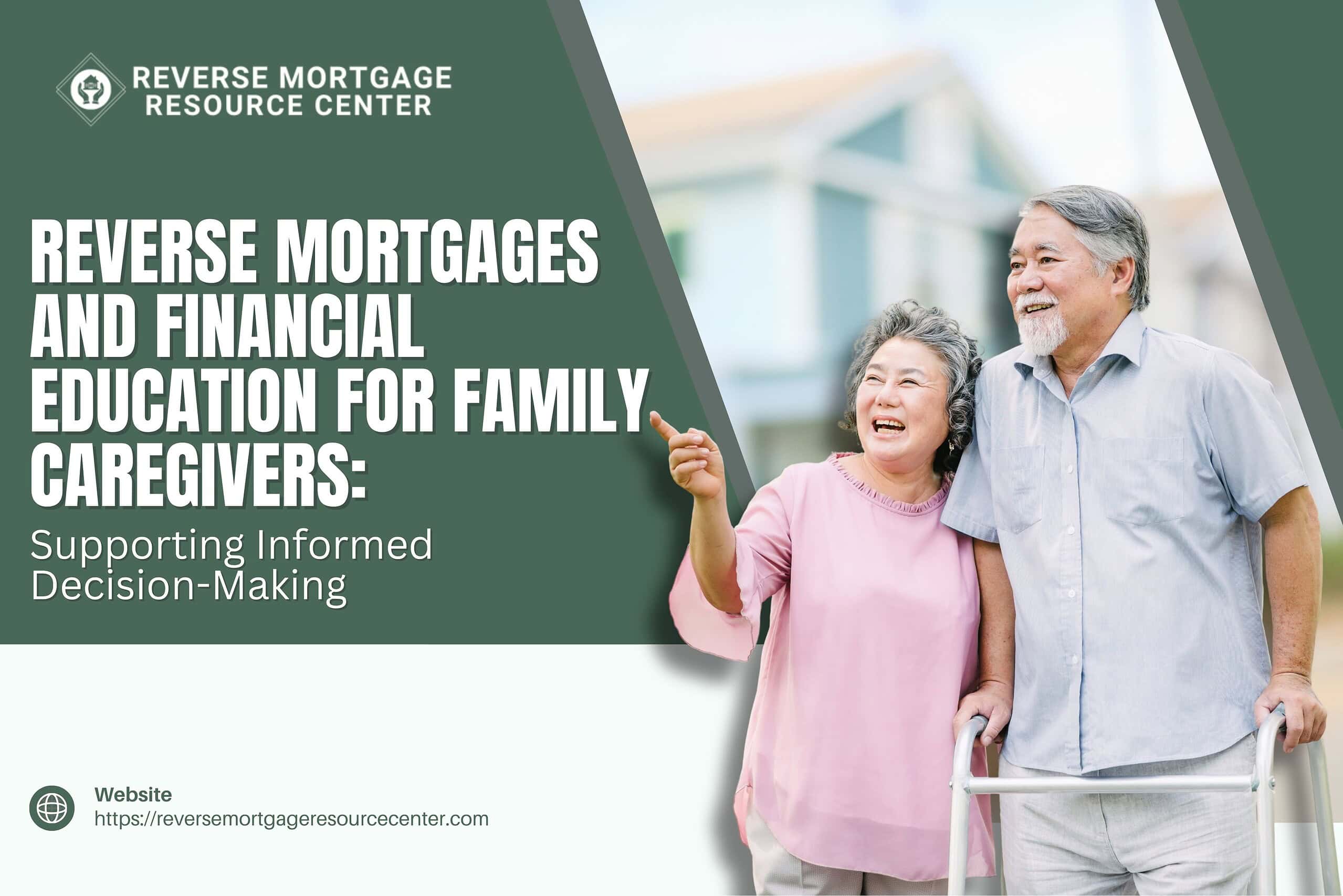
Reverse Mortgages and Financial Education for Family Caregivers: Supporting Informed Decision-Making
As seniors face the complexities of retirement, financial decisions often become pivotal points in ensuring their well-being and security. Among these decisions, the consideration of reverse mortgages can significantly impact their financial landscape. However, navigating the intricacies of reverse mortgages requires a deep understanding of the product and its implications. In this article, we delve into how family caregivers can equip themselves with the necessary financial education to support their elderly loved ones in making informed decisions regarding reverse mortgages.
Understanding Reverse Mortgages: Unraveling the Basics
Before delving into assisting elderly family members with reverse mortgages, it’s essential to grasp the fundamentals of this financial tool. Essentially, a reverse mortgage enables homeowners aged 62 and older to convert a portion of their home equity into easily accessible funds, which can be received as a lump sum, fixed monthly payments, or a line of credit. Unlike traditional mortgages, reverse mortgages do not require monthly repayments. Instead, the loan balance becomes due when the homeowner passes away, sells the home, or no longer resides in the property as their primary residence.
Reverse mortgages are primarily designed to provide seniors with additional income during retirement, allowing them to tap into the equity they have built up in their homes over the years. This can be particularly beneficial for individuals who may be struggling to meet their financial needs through other means, such as pension payments, Social Security benefits, or retirement savings. By unlocking the value of their homes, seniors can enjoy greater financial freedom and security in their golden years.
Why Reverse Mortgages Matter in Retirement Planning
For many seniors, reverse mortgages offer a lifeline in retirement, providing a means to access much-needed funds without having to sell their homes or rely solely on limited retirement savings. These financial instruments can alleviate financial stress, supplement income, and enhance the overall quality of life during retirement years. However, it’s crucial to recognize that reverse mortgages come with associated costs and risks, which necessitate careful consideration and informed decision-making.
One of the key advantages of reverse mortgages is that they allow seniors to access cash without having to make monthly loan payments. This can be particularly advantageous for individuals who are on fixed incomes or who may have difficulty qualifying for traditional loans due to their age or credit history. Additionally, reverse mortgages offer flexibility in how funds can be disbursed, allowing seniors to choose the option that best suits their financial needs and goals.
However, it’s essential for seniors and their family caregivers to understand that reverse mortgages are not without their drawbacks. For example, reverse mortgages typically come with higher fees and interest rates compared to traditional mortgages, which can erode the equity in the home over time. Additionally, because the loan balance grows over time, seniors may find themselves with less equity available to pass on to their heirs. Furthermore, if the homeowner fails to meet certain obligations, such as paying property taxes or homeowners insurance, they may risk defaulting on the loan and losing their home.
The Role of Family Caregivers in Financial Education
Family caregivers often play a pivotal role in the lives of elderly individuals, offering support not only in healthcare matters but also in navigating complex financial landscapes. As trusted confidants, family caregivers are well-positioned to provide guidance and assistance in understanding the intricacies of reverse mortgages. By equipping themselves with comprehensive financial education, caregivers can empower their loved ones to make sound financial decisions that align with their long-term goals and aspirations.
The first step for family caregivers is to educate themselves about reverse mortgages and how they work. This may involve conducting research online, attending informational seminars or workshops, or consulting with financial professionals who specialize in retirement planning. By gaining a solid understanding of the pros and cons of reverse mortgages, caregivers can better assist their loved ones in weighing their options and making informed decisions.
Educational Resources for Family Caregivers
In the digital age, a wealth of educational resources is readily available to empower family caregivers in supporting their elderly loved ones. Online platforms, such as government websites, financial institutions, and reputable organizations specializing in senior advocacy, offer a plethora of information on reverse mortgages. Caregivers can access guides, articles, and interactive tools to deepen their understanding of the intricacies surrounding reverse mortgages, including eligibility criteria, loan structures, costs, and potential risks.
For example, the U.S. Department of Housing and Urban Development (HUD) provides comprehensive information on its website about the Federal Housing Administration (FHA) Home Equity Conversion Mortgage (HECM) program, which is the most common type of reverse mortgage. This resource offers valuable insights into how reverse mortgages work, who is eligible, and what factors to consider before applying for a loan.
Additionally, financial institutions such as banks and credit unions often offer educational materials and resources for seniors and their caregivers. These may include brochures, videos, or online calculators that can help individuals understand the potential benefits and drawbacks of reverse mortgages and determine whether they are a suitable option for their financial situation.
Consulting Financial Professionals: Navigating with Expert Guidance
While educational resources serve as valuable tools in acquiring knowledge, consulting with financial professionals remains paramount in making well-informed decisions regarding reverse mortgages. Certified financial planners, mortgage advisors, and housing counselors possess the expertise and experience to provide personalized guidance tailored to the unique circumstances of elderly individuals and their families. By seeking professional advice, family caregivers can gain clarity, address concerns, and navigate the complexities of reverse mortgages with confidence.
When consulting with financial professionals, it’s essential for family caregivers to ask questions and voice any concerns they may have about reverse mortgages. This may include questions about the costs and fees associated with the loan, the potential impact on the homeowner’s equity and inheritance, and alternative options that may be available. By having open and honest conversations with financial experts, caregivers can ensure that their loved ones fully understand the implications of their decisions and can make choices that align with their financial goals and values.
Open Dialogue and Transparent Communication
Effective communication lies at the heart of supporting elderly loved ones in financial decision-making. Family caregivers should foster open dialogue with their loved ones, encouraging them to express their concerns, preferences, and aspirations regarding reverse mortgages. By fostering a supportive and transparent environment, caregivers can ensure that their loved ones feel empowered and respected throughout the decision-making process.
It’s important for caregivers to approach these conversations with empathy and understanding, recognizing that discussing financial matters can sometimes be challenging or uncomfortable for seniors. By listening actively and offering reassurance, caregivers can create a safe space for their loved ones to voice their thoughts and feelings about reverse mortgages and other financial topics.
Mitigating Risks: Understanding the Fine Print
While reverse mortgages offer numerous benefits, they also entail certain risks that warrant careful consideration. Family caregivers must thoroughly understand the terms and conditions associated with reverse mortgages, including interest rates, loan fees, and repayment obligations. Moreover, caregivers should educate themselves and their loved ones about potential risks, such as the impact on inheritances, home equity depletion, and the necessity of maintaining property taxes and homeowners insurance.
Before proceeding with a reverse mortgage, it’s essential for caregivers and their loved ones to carefully review the loan agreement and ensure that they fully understand their rights and responsibilities. This may involve consulting with legal professionals or housing counselors to clarify any confusing or ambiguous language in the contract. By taking the time to read and understand the fine print, caregivers can help mitigate the risks associated with reverse mortgages and make more informed decisions about their loved ones’ financial future.
Exploring Alternatives: Considering All Options
In some cases, reverse mortgages may not be the most suitable option for elderly individuals seeking financial flexibility in retirement. Family caregivers should explore alternative strategies, such as downsizing, renting out a portion of the home, or leveraging other assets to supplement income. By evaluating all available options, caregivers can assist their loved ones in making well-rounded decisions that align with their financial goals and preferences.
Downsizing is a common alternative to reverse mortgages for seniors who may no longer need or want the upkeep of a large home. By selling their current home and purchasing a smaller, more affordable property, seniors can unlock equity while reducing ongoing expenses such as property taxes, maintenance, and utilities. Additionally, downsizing can offer seniors the opportunity to relocate to a more desirable location or community that better suits their lifestyle and needs.
Another option to consider is renting out a portion of the home to generate additional income. This could involve renting out a spare bedroom, converting a basement or garage into a rental unit, or even renting out the entire property while the homeowner resides elsewhere. By becoming a landlord, seniors can supplement their retirement income while retaining ownership of their home and potentially increasing its value over time.
For seniors who have other assets, such as savings, investments, or retirement accounts, tapping into these resources may be a preferable alternative to a reverse mortgage. This could involve withdrawing funds as needed to cover living expenses, medical bills, or other financial obligations. By strategically managing their assets, seniors can maximize their financial resources while minimizing unnecessary debt or financial risk.
The Importance of Long-Term Planning
Regardless of the financial decisions made, it’s crucial for seniors and their family caregivers to engage in long-term planning to ensure their financial security and well-being in retirement. This may involve creating a comprehensive financial plan that takes into account income sources, expenses, investments, insurance coverage, and estate planning goals. By proactively addressing potential challenges and opportunities, seniors can make more informed decisions about their finances and lifestyle choices.
Long-term planning also provides an opportunity for seniors to discuss their wishes and preferences with their loved ones, including their preferences for healthcare, end-of-life care, and legacy planning. By having open and honest conversations about these topics, seniors can ensure that their wishes are respected and their loved ones are prepared to make decisions on their behalf if necessary.
REVERSE MORTGAGE RESOURCE CENTER ~LIVE LIFE ON YOUR TERMS~
Our Lending Team has been serving our clients since 2004. We are passionate about serving our clients with integrity to help them achieve their financial goals.