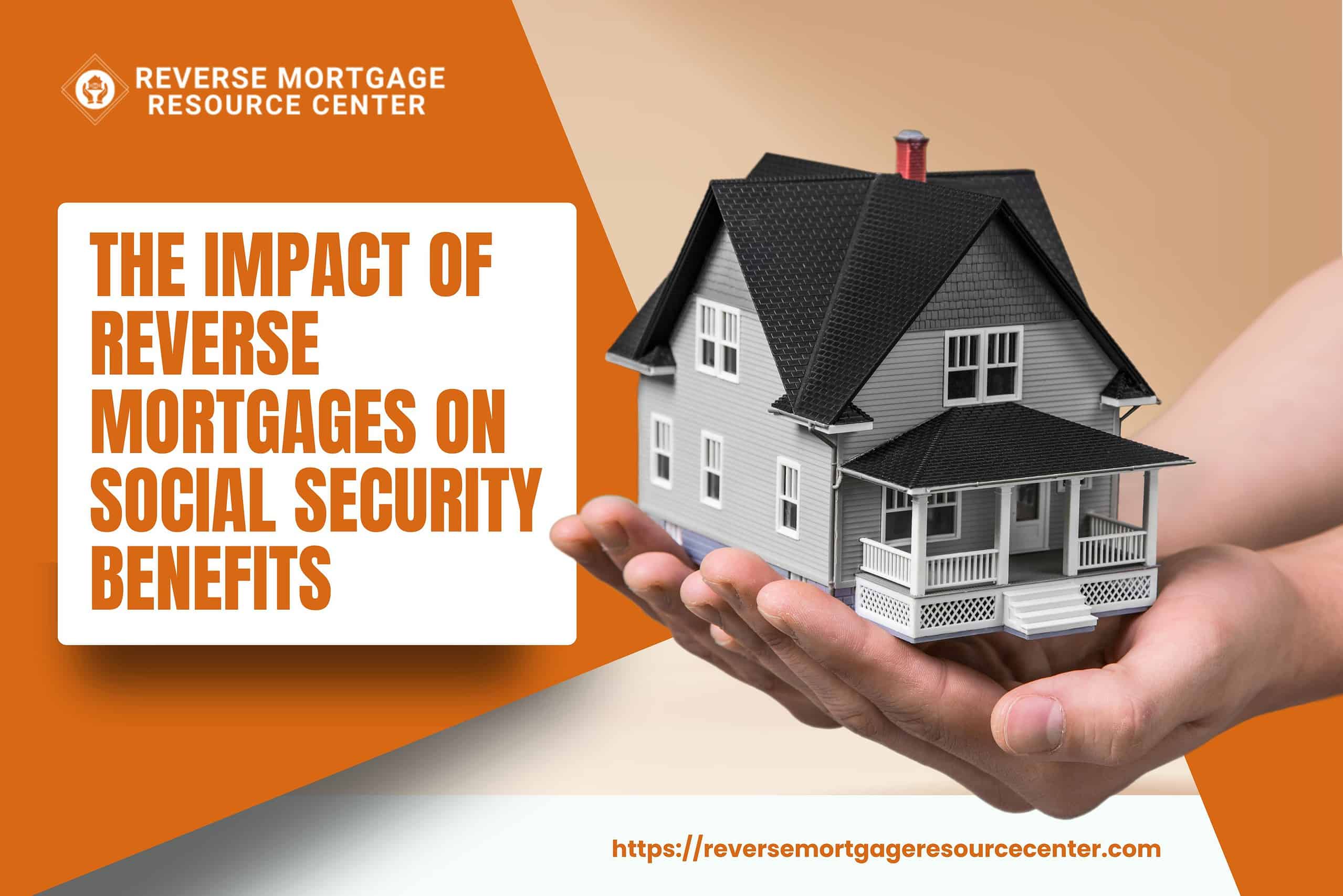
The Impact of Reverse Mortgages on Social Security Benefits
Navigating retirement finances can be a daunting task, especially for seniors facing financial challenges. Among the array of options available, reverse mortgages have gained popularity as a means to supplement income during retirement years. However, what often remains unclear to many seniors is how reverse mortgages can impact their Social Security benefits. In this comprehensive guide, we will delve into the intricate relationship between reverse mortgages and Social Security benefits, shedding light on how these financial decisions intersect and influence one another.
Understanding Reverse Mortgages
Before delving into their impact on Social Security benefits, it’s essential to understand what reverse mortgages entail. A reverse mortgage is a loan available to homeowners aged 62 and older, allowing them to convert part of their home equity into readily accessible funds. Unlike traditional mortgages, where borrowers make monthly payments to a lender, reverse mortgages provide homeowners with disbursement of loan proceeds from the lender. The funds can be received as a lump sum, a line of credit, or in monthly disbursements, providing seniors with flexibility in managing their finances during retirement.
Reverse mortgages are typically repaid when the borrower moves out of the home, sells the property, or passes away. At that point, the loan balance, along with any accumulated interest and fees, must be settled. If the proceeds from selling the home are insufficient to cover the loan balance, the lender typically absorbs the shortfall, thanks to federal insurance provided by the Federal Housing Administration (FHA), a division of the Department of Housing and Urban Development (HUD).
Social Security Benefits: An Essential Income Source
For many seniors, Social Security benefits represent a significant portion of their retirement income. These benefits serve as a financial safety net, offering a steady stream of income to retirees based on their work history and contributions to the Social Security system throughout their careers. Understanding how reverse mortgages can impact these benefits is crucial for seniors seeking to optimize their financial well-being in retirement.
Implications for Income Thresholds
One aspect of Social Security benefits that seniors must consider when contemplating a reverse mortgage is the impact on income thresholds. Social Security benefits may be subject to taxation depending on the total income received by the beneficiary. This includes not only income from employment or investments but also any additional income generated, such as that from a reverse mortgage.
When seniors opt for a reverse mortgage, the additional funds received from this financial arrangement could push them beyond certain thresholds, resulting in a portion of their Social Security benefits becoming taxable. Understanding how reverse mortgage proceeds affect overall income is crucial for seniors to effectively plan for potential tax liabilities and optimize their financial strategies in retirement.
Tax Liabilities and Considerations
Another important consideration regarding reverse mortgages and Social Security benefits is the potential tax implications. While reverse mortgage proceeds are typically not considered taxable income, they can indirectly impact tax liabilities in other ways. As mentioned earlier, the additional funds received from a reverse mortgage could lead to a portion of Social Security benefits becoming taxable if it pushes seniors above certain income thresholds.
Furthermore, seniors must consider the tax implications of any interest accrued on the reverse mortgage loan. While the loan proceeds are not taxable when initially received, the interest that accrues over time may become taxable once the loan is repaid. Understanding these tax considerations is essential for seniors to accurately assess the overall financial impact of a reverse mortgage on their retirement income and tax liabilities.
Potential Reduction in Needs-Based Assistance
In addition to tax implications, seniors considering a reverse mortgage should be aware of how it might impact their eligibility for needs-based assistance programs. These programs, such as Medicaid, are designed to provide support to individuals with limited financial resources. However, the additional funds or assets received from a reverse mortgage could potentially affect eligibility for such programs, as they often have strict income and asset limits.
Seniors must carefully evaluate how a reverse mortgage might impact their eligibility for needs-based assistance and weigh the potential trade-offs between accessing additional funds and maintaining eligibility for essential support services.
Financial Planning Considerations
Given the complex interplay between reverse mortgages and Social Security benefits, thorough financial planning is essential for seniors seeking to make informed decisions about their retirement finances. Consulting with financial advisors or counselors experienced in retirement planning can provide valuable insights and guidance tailored to individual circumstances.
Seniors should consider various factors when evaluating whether a reverse mortgage is the right choice for them, including their long-term financial goals, anticipated expenses in retirement, and potential implications for Social Security benefits and tax liabilities. By taking a holistic approach to retirement planning and considering the full range of available options, seniors can make informed decisions that support their financial well-being throughout their retirement years.
REVERSE MORTGAGE RESOURCE CENTER ~LIVE LIFE ON YOUR TERMS~
Our Lending Team has been serving our clients since 2004. We are passionate about serving our clients with integrity to help them achieve their financial goals.