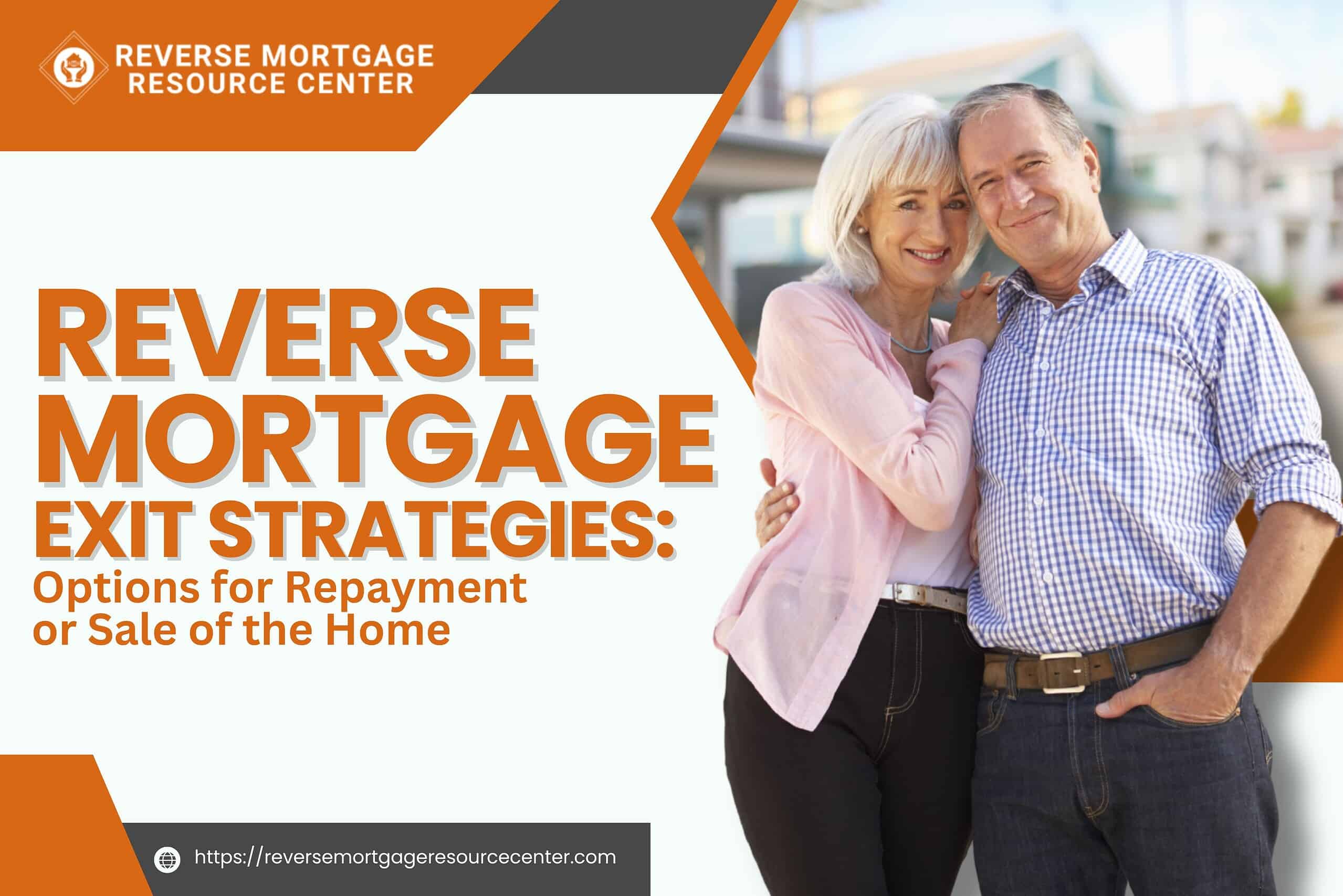
Reverse Mortgage Exit Strategies: Options for Repayment or Sale of the Home
As seniors navigate through their retirement years, ensuring financial stability becomes paramount. For many, reverse mortgages have served as a valuable tool to access home equity and supplement income. However, as circumstances change or financial needs evolve, seniors may find themselves exploring exit strategies for their reverse mortgages. Whether it’s repaying the loan or selling the home, careful consideration and guidance are essential. In this comprehensive guide, we delve into various exit strategies tailored to seniors facing financial challenges in their retirement.
Understanding Reverse Mortgages
Before diving into exit strategies, it’s crucial to understand the fundamentals of reverse mortgages. Unlike traditional mortgages, reverse mortgages allow homeowners aged 62 and older to borrow against the equity in their homes without monthly mortgage payments. Instead, the loan balance accumulates over time and is typically repaid when the homeowner sells the home, moves out permanently, or passes away.
Reverse mortgages come in different forms, including Home Equity Conversion Mortgages (HECMs), which are insured by the Federal Housing Administration (FHA). These loans offer various disbursement options, such as lump sums, monthly disbursements, or lines of credit, providing flexibility to borrowers.
Assessing Financial Circumstances
The first step in devising an exit strategy for a reverse mortgage is to assess your current financial circumstances. Consider factors such as:
- Remaining Home Equity: Determine the remaining equity in your home after accounting for the loan balance. This figure will influence your options for repayment or sale.
- Income and Expenses: Evaluate your ongoing income from pensions, Social Security, investments, or other sources, along with your monthly expenses. Understanding your cash flow is crucial for determining affordability.
- Health and Long-Term Care Needs: Factor in any current or anticipated health expenses, including potential long-term care costs. These considerations can impact your housing choices and financial decisions.
Option 1: Repaying the Reverse Mortgage
For seniors who wish to retain ownership of their homes and eliminate the reverse mortgage debt, several repayment options are available:
- Personal Funds: If financially feasible, using personal savings or investments to repay the loan balance is a straightforward option. This approach ensures homeowners retain full ownership of their homes without any encumbrances.
- Refinancing: Depending on market conditions and eligibility criteria, refinancing the reverse mortgage into a traditional forward mortgage may be viable. This option allows for structured monthly payments, potentially reducing financial strain.
- Family Assistance: Some seniors may receive assistance from family members or heirs to repay the reverse mortgage. Open discussions about financial responsibilities and expectations are crucial when considering this option.
- Sale of Assets: Liquidating other assets, such as investments or valuable possessions, can provide funds for repaying the reverse mortgage. However, careful consideration of tax implications and long-term financial goals is necessary.
Option 2: Selling the Home
Selling the home is a common exit strategy for reverse mortgage borrowers who wish to downsize, relocate, or transition to alternative housing options:
- Market Sale: Putting the home on the market and selling it at fair market value is the most straightforward approach. Proceeds from the sale are used to repay the reverse mortgage balance, with any remaining equity belonging to the homeowner or their estate.
- Short Sale: In situations where the home’s value is less than the outstanding loan balance, a short sale may be negotiated with the lender. While this option avoids foreclosure and minimizes credit damage, it requires lender approval and careful consideration of potential tax consequences.
- Sell and Leaseback: Seniors may explore sell-and-leaseback arrangements, where they sell their homes to investors or companies and then rent the property. This option provides immediate liquidity while allowing homeowners to remain in their homes as tenants.
- Senior Living Communities: Transitioning to senior living communities or retirement residences offers a maintenance-free lifestyle with access to amenities and supportive services. Selling the home to fund the move is a common strategy for financing long-term care or downsizing.
Considerations for Downsizing or Alternative Housing
When exploring downsizing or alternative housing options, seniors should consider the following:
- Location and Amenities: Evaluate the proximity to healthcare facilities, shopping centers, recreational activities, and public transportation when choosing a new residence.
- Affordability and Budgeting: Compare the costs of different housing options, including monthly fees, maintenance expenses, and potential healthcare costs. Ensure that the chosen option aligns with your long-term financial goals and budget.
- Social and Community Engagement: Consider the social opportunities and community engagement available in potential housing options. Maintaining social connections and staying active are essential aspects of a fulfilling retirement lifestyle.
- Accessibility and Mobility: Prioritize housing options that accommodate current and future mobility needs, including accessibility features and proximity to essential services.
Seeking Professional Guidance
Navigating reverse mortgage exit strategies can be complex, requiring careful planning and professional guidance. Consider consulting with the following experts:
- Financial Advisors: Certified financial planners or retirement specialists can provide personalized guidance on managing assets, budgeting, and selecting suitable housing options.
- Real Estate Professionals: Experienced real estate agents can assist with pricing strategies, marketing the home, and navigating the selling process.
- Legal Counsel: Estate planning attorneys can offer legal advice on reverse mortgage contracts, property ownership issues, and tax implications associated with home sales.
- Housing Counselors: HUD-approved housing counselors provide unbiased guidance on reverse mortgages, foreclosure prevention, and housing options for seniors.
REVERSE MORTGAGE RESOURCE CENTER ~LIVE LIFE ON YOUR TERMS~
Our Lending Team has been serving our clients since 2004. We are passionate about serving our clients with integrity to help them achieve their financial goals.